






83% SPEC SCORE
$163
The Oppo A2x comes with the recent Android 13, ensuring enhanced functionality and smooth multitasking. It features a big 6.56-inches HD+ display, perfect for both work and entertainment. thanks to its 90Hz refresh rate With a Decent 5000 mAh battery life, you can stay powered throughout the day without frequent charging. Price starting at $163 this device is Wallet-friendly and it’s offers incredible value, blending performance, style, and affordability.
Oppo A2x Key Features

Display
6.56 inches (720x1612 pixels) HD
90Hz Refresh rate

Camera
13+2 MP (Dual Camera)
5 MP Selfie 1080P Video

Hardware
MediaTek Dimensity 6020 (7 nm)

OS
Android 13
ColorOS 13.1

Ram & Storage
6GB + 128GB
8GB + 256GB

Battery
Li-Po 5000mAh
wired, 10W
Data Updated on: 01 Sep, 2026
Oppo A2x Pros & Cons
By Amit Dubey | on 14 September 2026
5.6
/ 10
TSI Score
Design
Display
Performance
Battery
Camera
Software
Sound
Usage
Pros
90Hz refresh rate at a low entry price.
Dimensity 6020 brings 5G to the budget segment.
128GB storage is fair for the money.
5000mAh battery is a solid capacity at this price.
Cons
720p-class resolution on a 6.56-inch screen.
No camera strengths can be inferred from the supplied specs.
6GB RAM is serviceable, but not generous.
MediaTek Dimensity 6020 is an entry-level chipset.
Oppo A2x Price and Full Specifications

Launch Date
| Announced Date | 12 Oct, 2023 |
| Released Date | 16 Oct, 2023 |
| Status | Available |

Network
| Technology | GSM / HSPA / LTE / 5G |
| 2G bands | GSM 850 / 900 / 1800 / 1900 |
| 3G bands | HSDPA 850 / 900 / 2100 |
| 4G bands | 1, 3, 5, 8, 28, 34, 38, 39, 40, 41 |
| 5G bands | 1, 5, 8, 28, 41, 77, 78, SA/NSA |
| Speed | HSPA / LTE / 5G |
Display
Similar Display

| Screen Size | 6.56 inches, 103.4 cm² (~84% screen-to-body ratio) |
| Display Type | IPS LCD |
| Resolution | 720 × 1612 pixels (HD) |
| Aspect Ratio | 20:9 |
| PPI | 269 ppi |
| Refresh Rate | 90Hz |
| Brightness | 720 nits (peak) |
Performance
Similar Performance
| Processor (SoC) | MediaTek Dimensity 6020 (7 nm) |
| Fabrication process | 7nm |
| CPU | Octa-core : 2x2.2 GHz Cortex-A76 &: 6x2.0 GHz Cortex-A55 |
| CPU cores | 8 |
| GPU | Mali G57 MC2 |
Storage
| Memory | 6GB + 128GB, 8GB + 256GB, 12GB + 256GB |
| Storage type | UFS 2.2 |
| Memory Card Slot | microSDXC |
Camera
Similar Camera
REAR CAMERA | |
| Type | Dual camera |
| Primary | 13 MP, f/2.2, (wide), AF |
| Secondary | 2 MP, f/2.4, (depth) |
| Features | LED flash, panorama |
| Video Recording | 1080p @30fpsfps |
FRONT CAMERA | |
| Type | Single camera |
| Primary | 5 MP, f/2.2, (wide) |
| Features | Panorama |
| Video Recording | 1080p @30fpsfps |
Battery
Similar Battery
| Battery Capacity | Li-Po 5000mAh |
| Battery Removable | No |
| Charging | 10W wired |
Software & OS
| Operating System | Android 13 |
| OS UI | ColorOS 13.1 |

Design
| Dimensions | 163.8 x 75.1 x 8.1 mm (2.96 x 0.32 in) |
| Weight | 185g (6.53 oz) |
| Color Options | Black, Gold, Purple |
| Water & Dust Resistance | IP54 dust and splash resistant |
| Sim Card Types | Dual SIM (Nano-SIM, dual stand-by) |

Connectivity
| WLAN | Wi-Fi 802.11 a/b/g/n/ac, Wi-Fi Direct |
| Bluetooth | 5.3, A2DP, LE, aptX HD |
| Positioning | GPS, GALILEO, GLONASS, BDS, QZSS |
| NFC | No |
| Radio | No |
| Infrared-port | No |
| USB Version | USB Type-C 2.0, OTG |

Sound
| Loudspeaker | Yes |
| Sound Jack | 3.5 |

Sensors & Features
| Sensors | Fingerprint (side-mounted), accelerometer, proximity, compass |

Additional Info
| Models | PJU110 |
| Pricing | $163.39 / R$ 834.15 / ₹13,583 / £128.78 / €150 / C$226.43 |

What's in the Box
| Oppo A2x | Handset, USB-C cable, SIM ejector tool, and quick start guide |
Disclaimer: Information here may not be 100% accurate; please verify specs and prices on the retailer's website before buying. This page contains affiliate links. We may earn a commission if you make a purchase through them, at no extra cost to you. Thanks for your support!










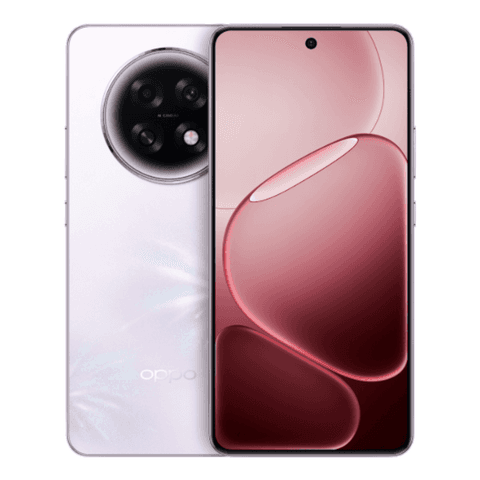


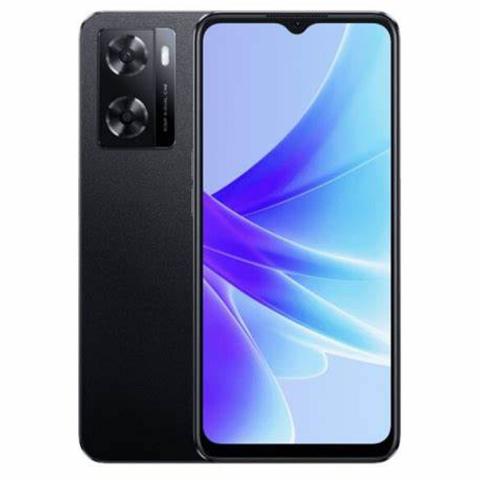























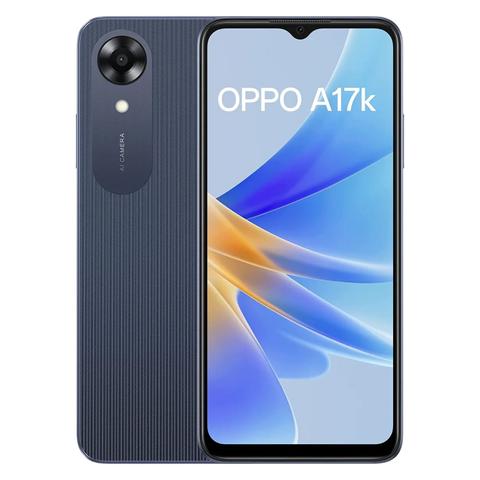


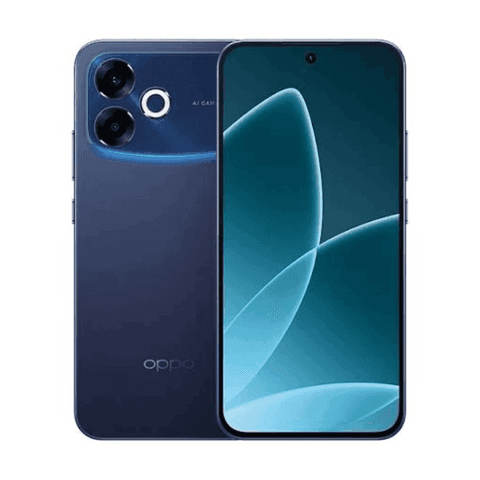













































Oppo A2x Comparisons

Oppo A2x
$163
83% SPEC SCORE
6.56 inches (16.66 cm)
90Hz Display
13+2 MP (Dual)
5 MP (Single)
MediaTek
Dimensity 6020 (7 nm)
Android 13
ColorOS 13.1
5000 mAh
10W wired
6 GB RAM
128 GB Storage

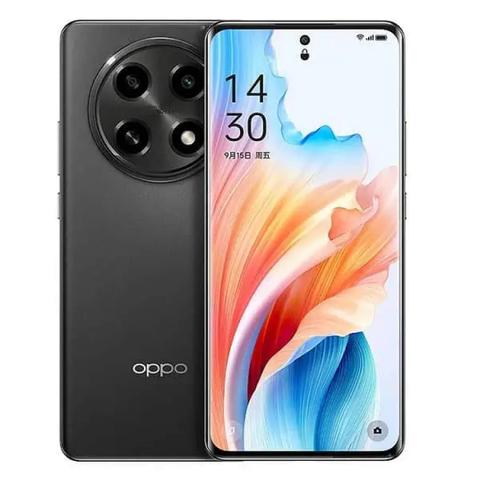
Oppo A98
$316
85% SPEC SCORE
6.72 inches (17.07 cm)
120Hz Display
64+2+2 MP (Dual)
32 MP (Single)
Qualcomm
SM6375 Snapdragon 695 5G (6 nm)
Android 13
ColorOS 14
5000 mAh
67W wired
8 GB RAM
256 GB Storage

Oppo A6 GT
$258
89% SPEC SCORE
6.8 inches (17.27 cm)
120Hz Display
32 MP (Single)
32 MP (Single)
Qualcomm
SM7550-AB Snapdragon 7 Gen 3
Android 15
ColorOS 15
7000 mAh
80W Wired
8 GB RAM
256 GB Storage

Oppo A6 Pro
$260
86% SPEC SCORE
6.57 inches (16.69 cm)
120Hz Display
50+2 MP (Dual)
16 MP (Single)
MediaTek
Dimensity 7300
Android 15
ColorOS 15
7000 mAh
80W Wired
8 GB RAM
256 GB Storage

Oppo A2 Pro
$331
83% SPEC SCORE
6.7 inches (17.02 cm)
120Hz Display
64+2 MP (Dual)
8 MP (Single)
MediaTek
Dimensity 7050 (6 nm)
Android 13
ColorOS 13.1
5000 mAh
67W wired
8 GB RAM
256 GB Storage

Oppo A2
$240
84% SPEC SCORE
6.72 inches (17.07 cm)
90Hz Display
50+2 MP (Dual)
8 MP (Single)
MediaTek
Dimensity 6020 (7 nm)
Android 13
ColorOS 13.1
5000 mAh
33W wired
12 GB RAM
256 GB Storage

Oppo A1
$294
83% SPEC SCORE
6.72 inches (17.07 cm)
120Hz Display
50+2 MP (Dual)
8 MP (Single)
Qualcomm
SM6375 Snapdragon 695 5G (6 nm)
Android 13
ColorOS 13.1
5000 mAh
67W wired
8 GB RAM
256 GB Storage

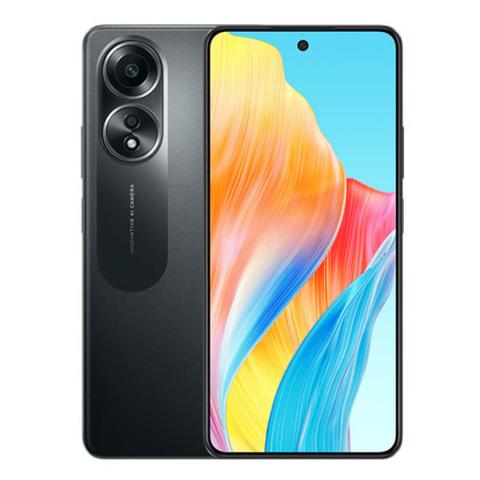
Oppo A79
$161
87% SPEC SCORE
6.72 inches (17.07 cm)
90Hz Display
50+2 MP (Dual)
8 MP (Single)
MediaTek
Dimensity 6020 (7 nm)
Android 13
ColorOS 13.1
5000 mAh
33W wired
8 GB RAM
128 GB Storage

Oppo A78 4G
$320
80% SPEC SCORE
6.43 inches (16.33 cm)
90Hz Display
50+2 MP (Dual)
8 MP (Single)
Qualcomm
SM6225 Snapdragon 680 4G (6 nm)
Android 13
ColorOS 13.1
5000 mAh
67W wired
8 GB RAM
128 GB Storage

Oppo A5 Pro
$213
85% SPEC SCORE
6.67 inches (16.94 cm)
120Hz Display
50+2 MP (Dual)
8 MP (Single)
MediaTek
Dimensity 6300
Android 15
ColorOS 15
5800 mAh
45W wired 50% in 35 min
6 GB RAM
256 GB Storage

Oppo A80 5G
$215
83% SPEC SCORE
6.67 inches (16.94 cm)
120Hz Display
50+2 MP (Dual)
8 MP (Single)
MediaTek
Dimensity 6300 (6 nm)
Android 14
ColorOS 14
5100 mAh
45W wired
8 GB RAM
128 GB Storage

Oppo A3 Pro
$388
80% SPEC SCORE
6.67 inches (16.94 cm)
120Hz Display
50+2 MP (Dual)
8 MP (Single)
MediaTek
Dimensity 6300 (6 nm)
Android 14
ColorOS 14
5100 mAh
45W wired
8 GB RAM
128 GB Storage
Oppo A58 4G
$162
82% SPEC SCORE
6.72 inches (17.07 cm)
60Hz Display
50+2 MP (Dual)
8 MP (Single)
MediaTek
MT6769 Helio G85
Android 13
ColorOS 15
5000 mAh
33W wired
6 GB RAM
128 GB Storage

Oppo A5 5G
$174
86% SPEC SCORE
6.67 inches (16.94 cm)
120Hz Display
50+2 MP (Dual)
8 MP (Single)
MediaTek
Dimensity 6300
Android 15
ColorOS 15
6000 mAh
45w wired
6 GB RAM
128 GB Storage

Oppo A3 5G
$191
84% SPEC SCORE
6.67 inches (16.94 cm)
120Hz Display
50 MP (Dual)
8 MP (Single)
MediaTek
Dimensity 6300 (6 nm)
Android 14
ColorOS 14
5100 mAh
45W Wired
6 GB RAM
128 GB Storage

Oppo A60
$157
86% SPEC SCORE
6.67 inches (16.94 cm)
90Hz Display
50+2 MP (Dual)
8 MP (Single)
Qualcomm
SM6225 Snapdragon 680 4G (6 nm)
Android 14
ColorOS 14
5000 mAh
45W wired
8 GB RAM
128 GB Storage

Oppo A3x 5G
$149
87% SPEC SCORE
6.67 inches (16.94 cm)
120Hz Display
8 MP (Dual)
5 MP (Single)
MediaTek
Dimensity 6300 (6 nm)
Android 14
ColorOS 14
5100 mAh
45W wired
4 GB RAM
128 GB Storage

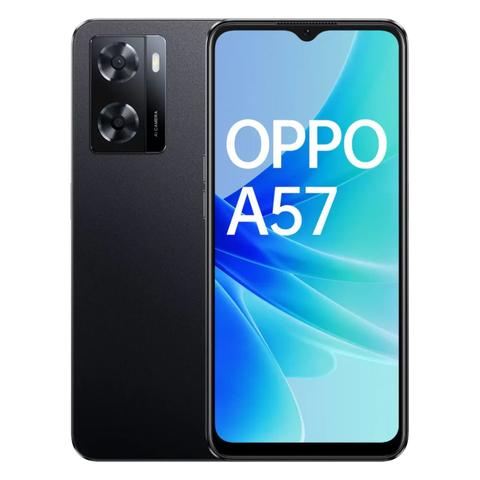
Oppo A58
$227
78% SPEC SCORE
6.56 inches (16.66 cm)
90Hz Display
50+2 MP (Dual)
8 MP (Single)
MediaTek
Dimensity 700 5G
Android 12
ColorOS 12.1
5000 mAh
33W Fast Charging
6 GB RAM
128 GB Storage

Oppo A5x 5G
$163
87% SPEC SCORE
6.67 inches (16.94 cm)
120Hz Display
32 MP (Single)
5 MP (Single)
MediaTek
Dimensity 6300
Android 15
ColorOS 15
6000 mAh
45W wired
4 GB RAM
128 GB Storage

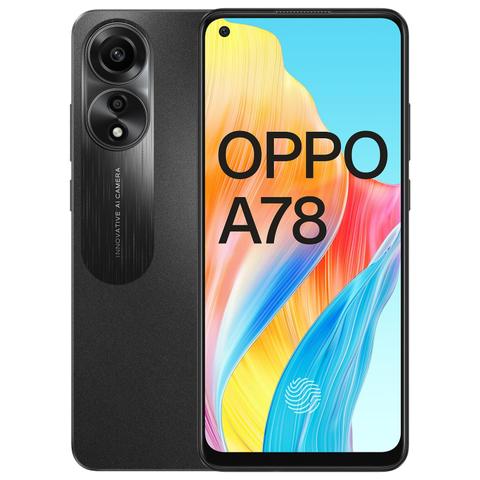
Oppo A78
$251
79% SPEC SCORE
6.56 inches (16.66 cm)
90Hz Display
50+2 MP (Dual)
8 MP (Single)
MediaTek
Dimensity 700 (7 nm)
Android 12
ColorOS 13
5000 mAh
33W wired
4 GB RAM
128 GB Storage

Oppo A38
$174
78% SPEC SCORE
6.56 inches (16.66 cm)
90Hz Display
50+2 MP (Dual)
5 MP (Single)
MediaTek
MT6769 Helio G85 (12nm)
Android 13
ColorOS 13.1
5000 mAh
33W wired
4 GB RAM
128 GB Storage

Oppo A1x
$196
80% SPEC SCORE
6.56 inches (16.66 cm)
90Hz Display
13+2 MP (Dual)
8 MP (Single)
MediaTek
Dimensity 700 (7 nm)
Android 12
ColorOS 12.1
5000 mAh
10W wired
6 GB RAM
128 GB Storage

Oppo A3X 4G
$131
82% SPEC SCORE
6.67 inches (16.94 cm)
120Hz Display
8 MP (Single)
5 MP (Single)
Qualcomm
Snapdragon 6s Gen 1
Android 14
ColorOS 14
5100 mAh
44W wired
4 GB RAM
64 GB Storage

Oppo A5i
$170
80% SPEC SCORE
6.67 inches (16.94 cm)
120Hz Display
8 MP (Single)
5 MP (Single)
Qualcomm
Snapdragon® 6s 4G Gen1
Android 15
ColorOS 14
4970 mAh
45W SUPERVOOCTM 2.0
4 GB RAM
64 GB Storage

Oppo A59
$170
80% SPEC SCORE
6.56 inches (16.66 cm)
90Hz Display
13+2 MP (Dual)
8 MP (Single)
MediaTek
Dimensity 6020 (7 nm)
Android 13
ColorOS 13.1
5000 mAh
33W wired
4 GB RAM
128 GB Storage

Oppo A18
$230
71% SPEC SCORE
6.56 inches (16.66 cm)
90Hz Display
8+2 MP (Dual)
MP (Single)
MediaTek
MT6769 Helio G85 (12nm)
Android 13
ColorOS 13.1
5000 mAh
N/A
4 GB RAM
64 GB Storage
Reviews (0)
No reviews yet. Be the first to review!

Frequently Asked Questions
What are common problems with OPPO phones?
Common concerns with OPPO phones like the Oppo A2x are usually budget-phone trade-offs rather than confirmed universal defects. On the Oppo A2x, buyers should note the 6.56-inch display uses a 720x1612 resolution, so it is not as sharp as Full HD phones. The Dimensity 6020 chipset, 6GB RAM, and 128GB storage fit an affordable 5G phone, but heavy gaming or demanding multitasking may be less smooth than on higher-end OPPO models.
What is the price of the OPPO A2x 5G?
The OPPO A2x 5G is listed at about USD 163.39, or roughly EUR 150, GBP 128.78, and INR 13,583. The search context also refers to a $150 price tag, which places the Oppo A2x in the entry-level 5G phone category. Pricing can vary by market, storage configuration, taxes, and whether the model is officially sold or imported.
What is the weakness of OPPO phones?
The main weakness of the Oppo A2x is that it prioritizes low price and 5G support over premium display and performance features. Its 6.56-inch 90Hz screen is useful for smoother scrolling, but the 720x1612 resolution is a budget specification compared with sharper Full HD panels. The MediaTek Dimensity 6020, 6GB RAM, 128GB storage, and 5000mAh battery make it practical for everyday Android use, but it is not positioned as a flagship gaming or camera-focused phone.
Our Latest Blog

Read the detailed Oppo Reno15 Pro (Mini) review covering design, display, camera, battery, performance, price, and AI features. Discover why it’s one of the best compact flagship smartphones of 2026.

Tech Specs
23 Jan, 2026

Oppo brings back the Reno series of smartphones with three variants of the Reno 15 series. Explore all speculated features before the highly anticipated launch in January 2026.
Tech Specs
08 Jan, 2026
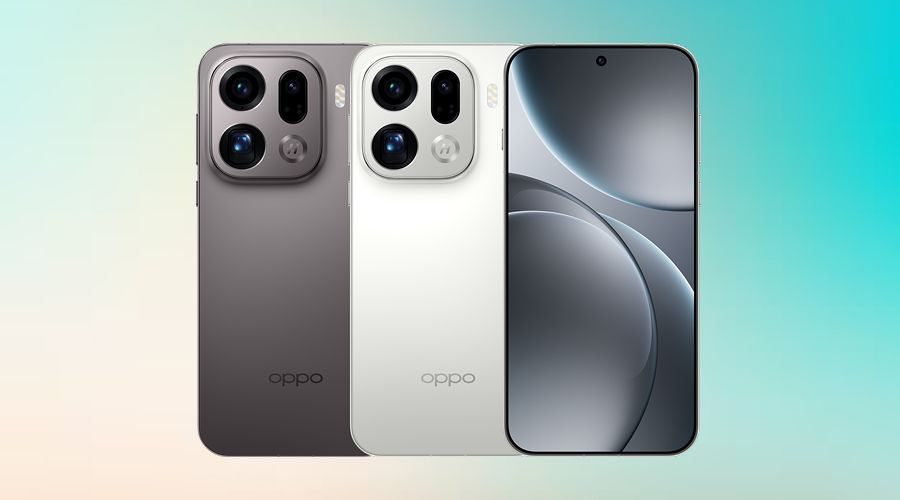
The Oppo Find X9 Pro packs a 200MP camera, huge 7,500mAh battery, and sleek design, a true flagship built for power, style, and endurance.
Tech Specs
07 Nov, 2025
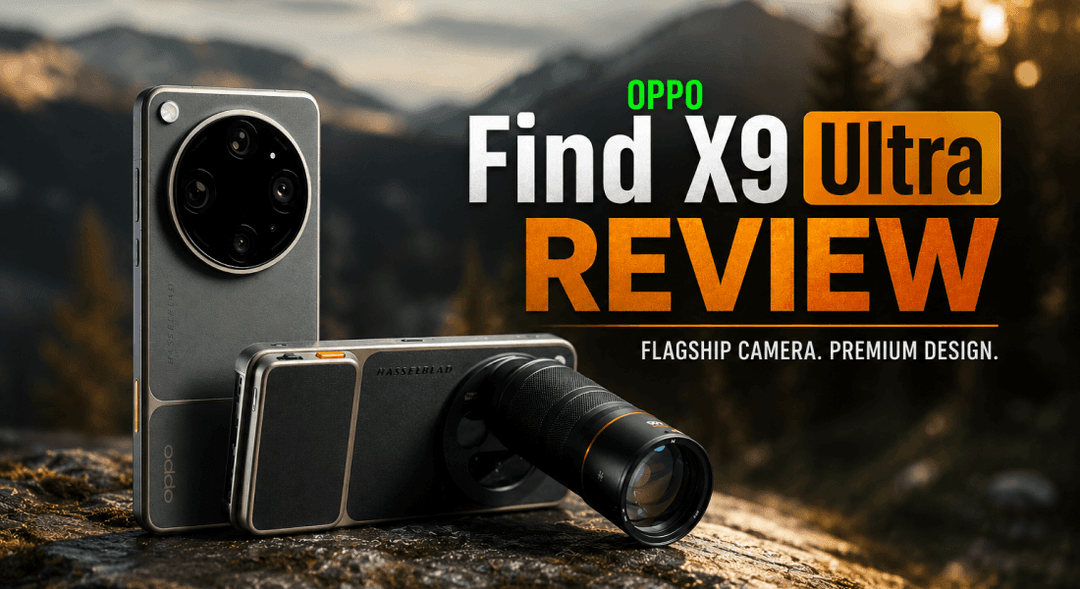
Read the detailed OPPO Find X9 Ultra review and hands-on experience. Explore its 200MP Hasselblad camera system, premium design, 144Hz display, strong battery life, and flagship performance in 2026.

Amit Dubey
18 May, 2026
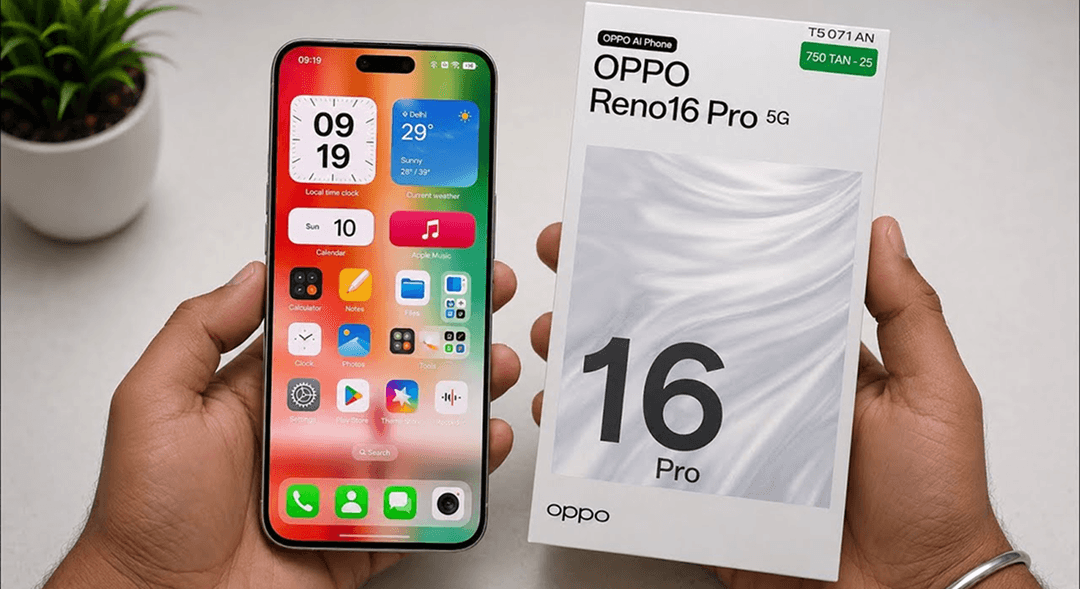
Read our Oppo Reno 16 Pro hands-on review covering design, display, performance, camera, gaming, battery life, and benchmark scores to decide if it’s worth buying.
Amit Dubey
05 Jun, 2026

Welcome to our mobile phone technical specifications hub! We're dedicated to providing tech specs for smartphones, latest pricing update, and mobile phone comparisons with detailed specifications. Our mission is to simplify your smartphone decision-making process by providing all the essential information you need in one place. Let us be your trusted source for making smart mobile choices.


