

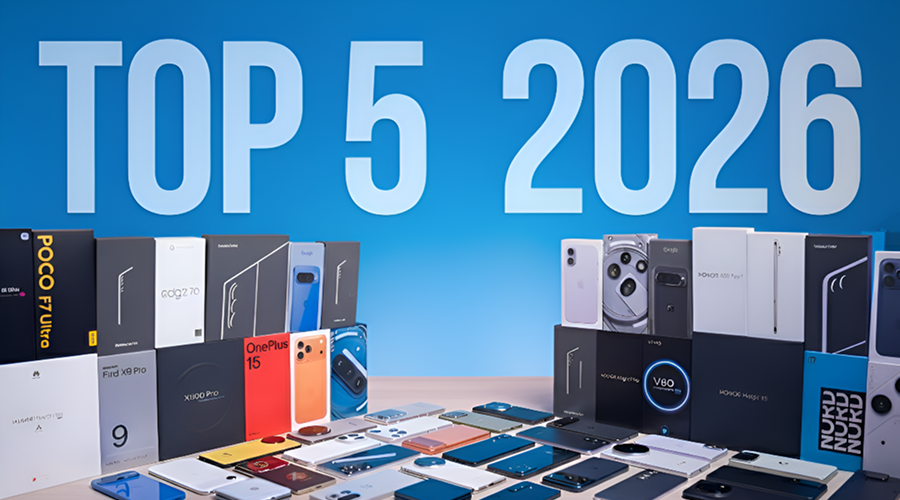
The competition at the very top is cutthroat. Android flagships stand at a strange crossroads. Hardware innovation has pushed into the margins and AI acceleration is reshaping entire product lines. The market now can be clearly seen to be split into two major camps. Brands that refine relentlessly and brands that choose aggressive experimentation. The flagships of this year are a clear reflection of that divide.
We rank the strongest contenders of 2026 to help you make an easier choice. Each one comes with strengths that define its identity and limitations that reveal the direction each brand has chosen.
Quick summary of our picks
| Phone | Form Factor | Best Feature | Key Limitation |
|---|---|---|---|
| Samsung Galaxy S25 Ultra | Slab with stylus | Productivity and reliable system experience. | Lower camera edge in low light. |
| Google Pixel 10 Pro XL | Slab | Class-leading display brightness and AI tools | Poor battery and charging speeds |
| Motorola Razr 60 | Compact foldable | Best battery life in clamshell class | Heavy throttling |
| Oppo Find X8 Pro | Slab | Strong thermal stability and IP69 durability | Display behind peak brightness leaders |
| Xiaomi 15 Ultra | Slab | Industry-leading camera hardware | Heat buildup under load |
1. Samsung Galaxy S25 Ultra
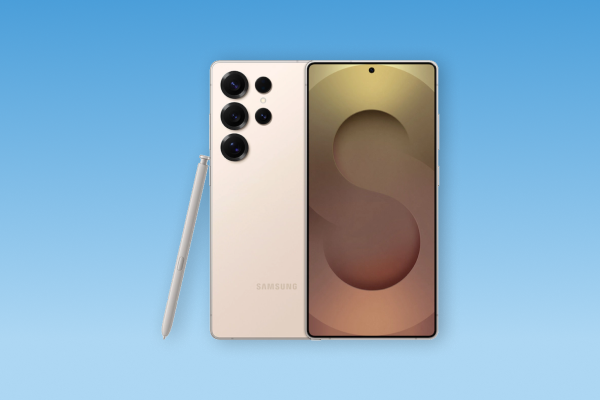
The S25 Ultrea carries the responsibility of being the all-purpose Android flagship. With stylus support, broad carrier support, stable software, and a reputation for long-term reliability, you can never go wrong with the S25 Ultra. The dynamic AMOLED display is super immersive, battery life lasts all day, and One UI promises 7 years of OS and security upgrades to the S25 lineup.
The S Pen keeps the Ultra in a productivity class of its own. Cameras are impressive and can outperform Apple’s latest lineup in several scenarios.
The limitations centre on ambition. A smaller that expected battery, no leap in ingress protection, and low-light camera behaviour that feels behind the curve. Overall, the S25 Ultra is still a feature packed Android staple.
2. Google Pixel 10 Pro XL
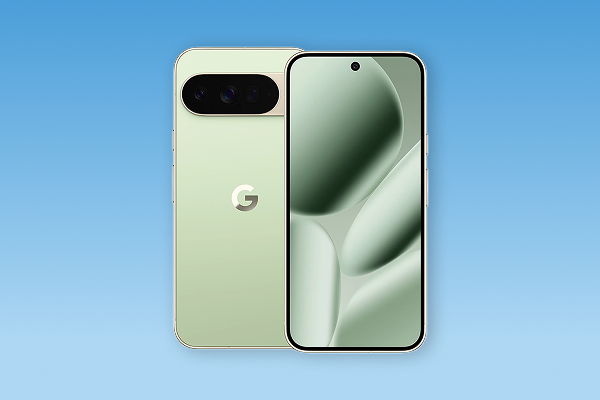
This is a device with a brilliant display and AI capabilities with some hardware restraints. Google has been positioning the Pixel 10 lineup as a software-first phone, and that approach has been seeming to work.
Android 16 came with meaningful AI features, and Google continues its seven year update commitment like Samsung. The display is the brightest in this entire list; however, it is the hardware that still holds the Pixel back. Battery life struggles, charging speeds remain sluggish compared to modern fast charging standards, and the custom chipset throttles under sustained load.
One thing going for it is the camera performance that relies heavily on computational processing, with slight hardware improvements over the last iterations.
AI features remain the key attraction for the 10 series, though several rollouts are still region-restricted.
3. Motorola Razr 60 Ultra
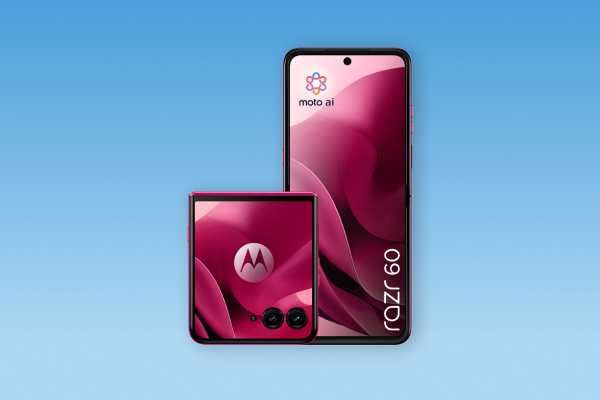
Motorola continues to refine the compact foldable segment with the Razr 60 Ultra. The cover display dominates the experience. It’s super large, bright, and has enough useful space to replace full openings for many tasks.
The internal display is nearly crease-free, and the battery life outperforms every clamshell rival. Charging speeds remain unmatched in this category. Plus, Hello UO gives the phone a minimalist but capable identity. Cameras are decent enough despite a nonexistent telephoto lens.
Though keep in mind that the thermal limits of the compact frame introduce heavy CPU throttling, and the speakers feel muted compared to larger flagships. Still, this is a good phone to have.
4. Oppo Find X8 Pro
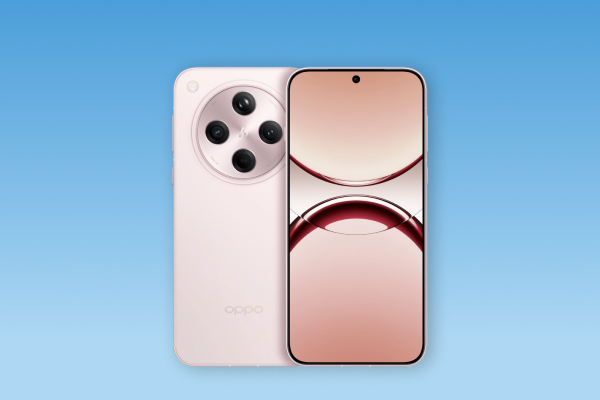
Oppo’s Find X8 pushes a rugged, performance-forward identity. The IP69 rating marks the highest durability certification on any mainstream flagship, and the chipset’s thermal consistency gives the phone an advantage in gaming and heavy workloads.
Battery endurance ranks high, charging speeds are comparable to similar flagships, and the camera has got a great zoom and low-light video result. The dedicated camera button adds a tactile touch that we really appreciated.
The display can lack in terms of extreme peak brightness, and the 6x module loses reliability in very dark scenes. High frame rate gaming isn’t available due to display constraints. Even so, the X8 Pro stands as one of the most balanced flagships of the year.
5. Xiaomi 15 Ultra
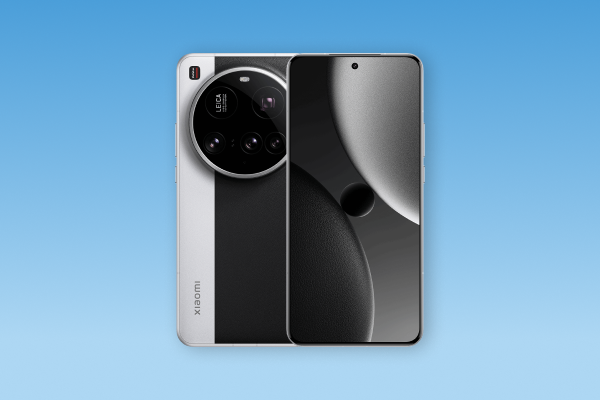
The Xiaomi 15 Ultra is the most camera-centric flagship of the year. The design leans into photography-inspired looks, and the phone ships with optional accessory kits that turn this device into a hybrid photography tool.
The 1-inch main sensor gives the phone a decisive advantage in dynamic range, low-light detail, and tonal accuracy. The dual-telephoto structure captures both distant subjects and close-range portraits with clarity. Dolby Vision display enriches photo and video playback, and the speakers offer excellent monitoring for creators. Under sustained loads, performance is solid and the battery life ranks high among most flagships in this category.
But long gaming sessions can induce heat buildup and limit your peak output. Video performance also stays good but does not reach the sharpness ceiling set by some rivals. Still a great phone if mobile photography is your top priority.
Quick overview of the important tech specs
| Phone | Chipset | Display | RAM or Storage | Battery and charging |
|---|---|---|---|---|
| Samsung Galaxy S25 Ultra | Qualcomm Snapdragon 8 Elite (3 nm) | 6.9″ Dynamic LTPO AMOLED 2X, 120Hz, 2600 nits (peak) | 12GB + 256GB, 12GB + 512GB, 12GB + 1TB, 16GB + 1TB | 5000 mAh. Support for up to 45 W of fast charging |
| Google Pixel 10 Pro XL | Google Tensor G5 (3 nm) | 6.8″ LTPO OLED, 120Hz, 3300 nits (peak) | 16GB + 256GB, 16GB + 512GB, 16GB + 1TB | 5200 mAh. Support for up to 45 W of fast charging |
| Motorola Razr 60 | Mediatek Dimensity 7400X (4 nm) | 6.9″ Foldable LTPO AMOLED, 120Hz, 3000 nits (peak) | 8GB + 256GB, 12GB + 256GB, 12GB + 256GB | 4500 mAh. Support for up to 30 W fast charging |
| Oppo Find X8 Pro | Mediatek Dimensity 9400 (3 nm) | 6.78″ LTPO AMOLED, 120Hz, 4500 nits (peak) | 12GB + 256GB, 12GB + 512GB, 16GB + 512GB, 16GB + 1TB | 5910 mAh. Support for up to 80 W of fast charging |
| Xiaomi 15 Ultra | Qualcomm Snapdragon 8 Elite (3 nm) | 6.73″ LTPO AMOLED, 120Hz, 3200 nits (peak) | 12GB + 256GB, 16GB + 512GB, 16GB + 1TB | 5410 mAh. Support for up to 90 W of fast charging |
Which one should you choose?
The Android lineup proves that flagships are getting superior in every sense. From ultra thin foldables to productivity beasts, each phone from the top brands is vying for a spot in your hand. The best phone depends entirely on what you value, because each of the top contenders leads its own category with confidence.


