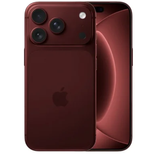
Think of the last time a video on Instagram, YouTube, or TikTok touched your heart. Perhaps it was not recorded using a bulky DSLR or RED cinema camera, but with a smartphone. Smartphones have become more than a tool for communication, an efficient tool in storytelling, shattering the belief that professional videos require professional equipment.
In fact, a report by Statista (2025) has shown, smartphones have become the primary tool for digital video creators, with more than 87 percent using them to record high-quality video content. But why? Because smartphones are small enough to fit in your pocket, are always with you, and can now have professional quality video capability added in up to 4K/8K resolution, 6K stabilization, and HDR10+.
What Makes a Smartphone Great for Video?
Before we start discussing the best smartphone models for shooting quality videos, let’s understand: What defines “great video quality” on a smartphone?
- Resolution & Frame Rates: The capability to capture 4K footage at 60fps or even 8K allows sharpness and future-proofing.
- Stabilization: Optical image stabilization (OIS) and effective electronic stabilization make hand-held shots cinematic.
- Dynamic Range & HDR: Great at managing the bright sky and the dark shadows in the same shot.
- Pro Controls: Manual control over ISO, shutter speed, white balance, and focal point provides freedom to creators.
- Audio Quality: Built-in microphones and the ability to accept external microphones are what determine the success or failure of a video.
Smartphones have become a pocket studio when you think about it. You had to spend thousands of dollars on hardware to do what today’s flagship smartphones can do in just the blink of an eye. For creators and multimedia users, a big screen mobile also makes video recording, editing, and content viewing far more immersive and comfortable.
The Best Smartphones for Shooting High-Quality Video
1. Samsung Galaxy S24 Ultra
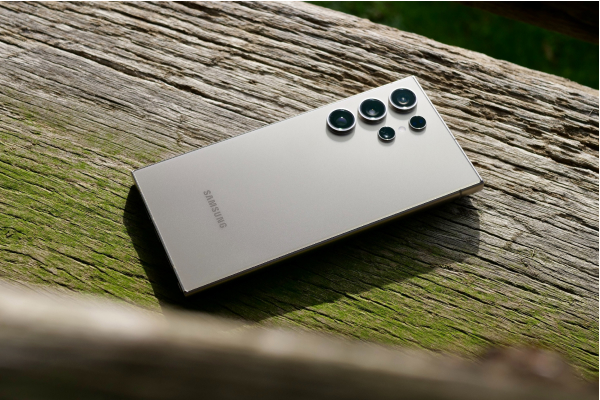
Samsung has also doubled its bet on 8K video. The Galaxy S24 Ultra is capable of recording 8K video at 30 fps, and will be one of the most future-proof phones for filmmakers. Its enormous 200MP sensor also makes it flexible in terms of cropping and editing of images.
Why it stands out: With 8K recording, creators will have the opportunity to translate videos to much larger screens or even cinematic detail. Think of shooting a travel vlog at 8K, and being able to crop up images during the editing process without the picture getting subpar, that is real freedom of creativity.
Key Specifications:
- 200MP ISOCELL HP2 camera sensor
- 8K at 30 frames per second, 4K at 120 frames per second, slow motion
- AI-based video stabilization
- Director’s Perspective for multi-camera filming
2. Google Pixel 9 Pro XL
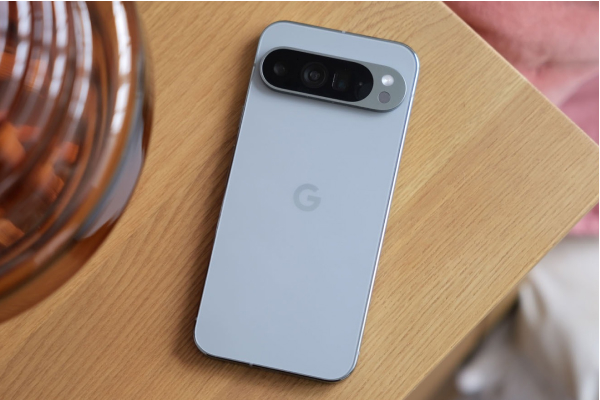
Photography has always been a stronghold of the Pixel series, but video has gained pace. The Pro XL Pixel 9 has Google AI-powered Video Boost 2.0 that concentrates on enhancements to lighting, stabilization, and HDR in real-time.
Why it stands out: The Pixel will be like having an intelligent assistant behind the lens. Its AI will make your video look good even when you are recording at night or in low-light conditions. According to a tech critic from The Verge, “the Pixel video is post-production magic in real-time”.
Key Specifications:
- 50MP primary sensor featuring OIS
- 4K 120fps and 8K 30fps video capture
- AI Video Enhancement for dramatic lighting and shadows
- HDR10+ support
3. OnePlus 12 Pro
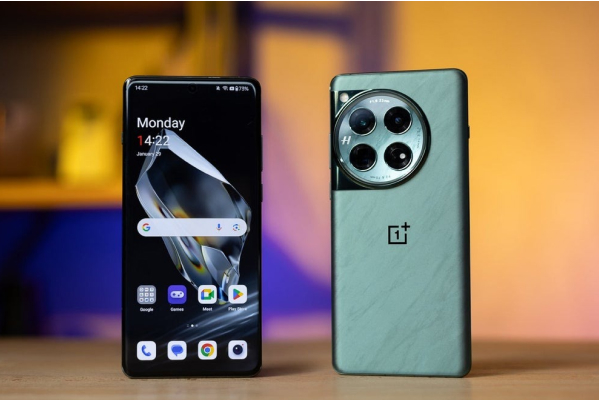
The OnePlus 12 Pro has justified why it is one of the most affordable flagship-level smartphones for video creators. It has a 50MP Sony sensor and Hasselblad tuning that records sharp and natural-looking videos with great color reproduction. The device also has an 8K 30fps and 4K 120fps, which gives smooth slow-motion and high-definition recording. The dynamic stabilisation allows comfortable handheld shots, and its color science makes sure that tones are natural, particularly on skin and natural landscapes.
If you are looking for flagship-level video recording without spending too much, you can also explore the best phone under 50000 category for similar performance-focused devices.
Why it stands out: OnePlus is your friend in case you need flagship-level video, but do not want to pay Apple or Samsung prices. It is produced in collaboration with Hasselblad, ensuring lifelike tones, especially in skin and landscapes, which is used in interviews and lifestyle shooting.
Key Specifications:
- 50MP Sony sensor featuring Hasselblad calibration
- 8K at 30 frames per second, 4K at 120 frames per second.
- Hasselblad Color Technology for authentic hues
- Enhanced stabilization for handheld footage
4. Apple iPhone 16 Pro Max
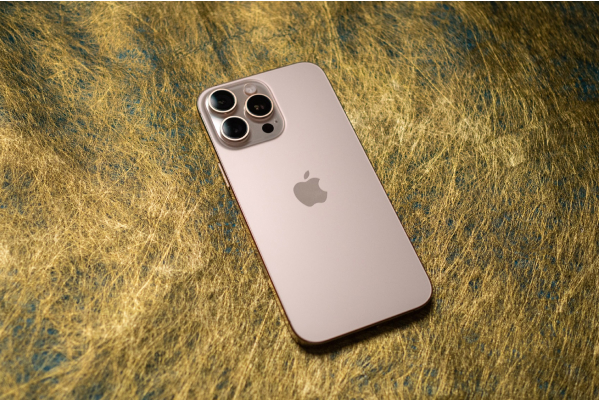
The latest iPhone 16 Pro Max ensures Apple takes over the mobile filmmaking market leadership. The iPhone supports ProRes and video formats, and has Log Video Recording as well as enhanced Dolby Vision HDR, which proves it to be a useful tool not only to serious filmmakers but to casual makers as well.
Why it stands out: Apple continues to establish itself as the benchmark in video. The iPhone 16 Pro Max can be used in music videos and short films, and the phone goes further with cinematic flexibility.
Key Specifications:
- 48MP primary sensor with 3rd-gen sensor-shift OIS
- ProRes & Log video to 4K 120fps
- Dolby Vision HDR to 4K 60fps
- Seamless integration with apps such as Final Cut Pro for iPad
- 12MP triple-camera system with ZEISS lenses
5. Sony Xperia 1 VI
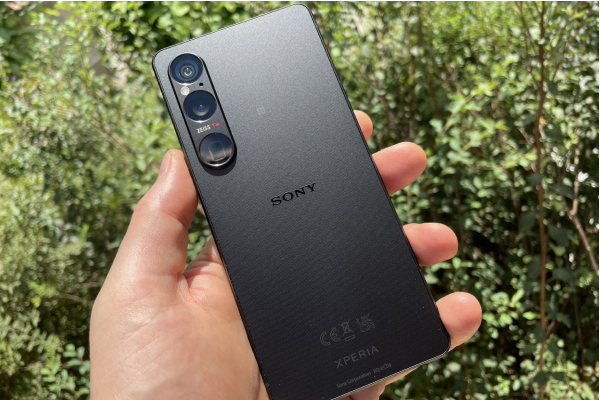
Sony has a different strategy: rather than automating everything, it provides users with pro-level manual controls. The Xperia 1 VI has applications such as Cinema Pro, which is created by the professional camera department of Sony.
Why it stands out: If you have ever used a Sony Alpha camera, the Xperia feels like home. It does not hold your hand, but on the contrary, it values your filmmaking abilities. This phone is more or less a mobile cinema set for filmmakers.
Key Specifications:
- 120fps 4K HDR recording
- S-Cinetone color profile from Sony’s cinema cameras
- Headphone jack + micro-HDMI support for monitoring
- 1-inch Sony IMX989 sensor with Leica lenses
6. Xiaomi 14 Ultra
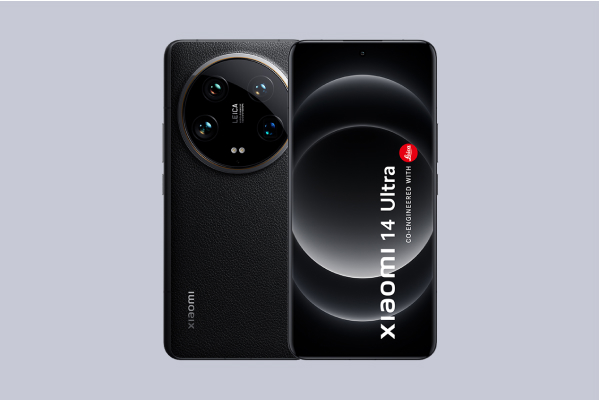
The Xiaomi 14 Ultra is both powerful and sleek with its 1-inch Sony IMX989 sensor and Leica-designed lenses. It allows shooting 8K resolution with 30fps and 4K with 120fps, which adds extreme precision and flexibility to the creators. An adjustable aperture makes it more useful in changing light, and Leica color science delivers deep, cinematic color. Best suited to vloggers and filmmakers, it can easily convert any moment into professional-looking visuals.
Why it stands out: The Leica collaboration enhances colors, bringing a unique vibe to videos. To vloggers and travel content creators, this means the ability to not only make their videos look sharp but also feel cinematic.
Key Specifications:
- 8K 30fps, 4K 120fps
- Variable aperture (f/1.6–f/4.0)
- Professional video LUT support
7. Redmi K80 Ultra
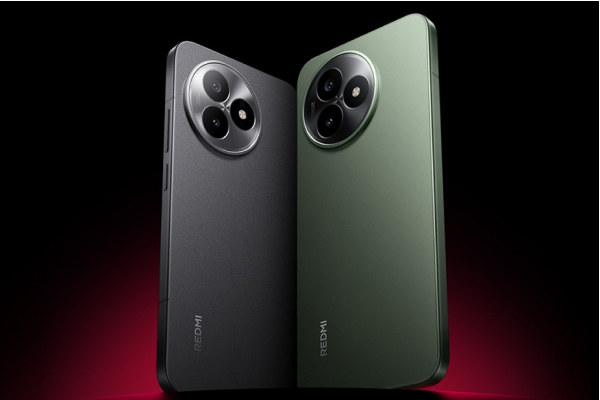
The Redmi K80 Ultra makes a confident entry into the high-end video market by offering support for full 8K video capture at a moderate price level compared to the Samsung or Apple alternatives.
Why it stands out: The K80 Ultra can be an economical solution to those creators who aspire to 8K resolution, yet do not want to overspend. It will bring ultra-high-resolution video to the masses in the same way OnePlus brought flagship specifications to the masses years ago.
Key Specifications:
- 200MP sensor with OIS
- 8K 24/30fps, 4K 120fps
- Advanced AI stabilization
- HDR10+ video
8. Oppo Find X7
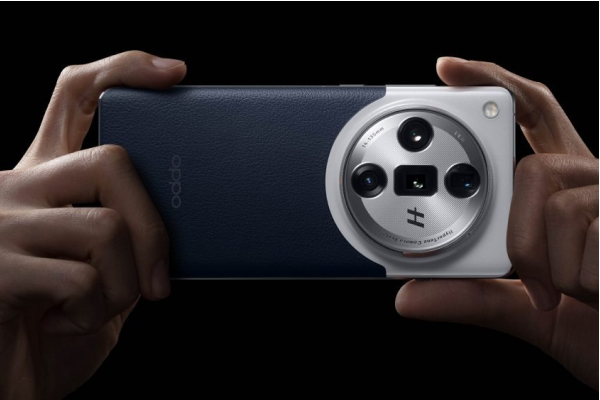
The Oppo Find X7 is not all about 8K, but it looks to shoot at perfect cinematic 4K with great stabilization and color precision.
Why it stands out: Not everyone needs 8K. In case YouTubers, wedding videographers, or content creators who are working in 4K, Oppo offers reliability and amazing dynamic range.
Key Specifications:
- 50MP triple-lens setup with Hasselblad tuning
- 4K 120fps recording
- Dolby Vision HDR recording
- AI-powered stabilization
Key Takeaways
- Smartphones, such as the iPhone 16 Pro Max and the Galaxy S24 Ultra, are the industry leaders in video production.
- The AI-enabled phones, such as the Pixel 9 Pro XL, make things easier even for beginners.
- Professionals can trust phones with manual-level control, such as the Sony Xperia 1 VI.
- Affordable does not mean cheap. OnePlus 12 Pro demonstrates that.
- Ultimately, the greatest camera phone is the one that you will use to shoot your story.
Conclusion
The increasing videography with smartphones is not simply a trend; it is a cultural shift. Filmmakers, journalists, vloggers, and everyday storytellers are showing that it is the ability to create and not the specifications of the most expensive camera that makes a difference. The future of smartphones promises to further narrow the gap between professional film and regular video recording. As 8K becomes mainstream and editing with AI becomes possible in real-time, we are in the era of having advanced tools in our pockets.