
Smartphone prices have increased significantly in 2026. Most people wonder why. Among several reasons, memory has become the main cause of this significant increase in the cost in 2026. Memory is crucial. Every phone needs memory to run apps, store photos, save videos and handle everyday tasks.
However, these parts are becoming more expensive and harder to find, leading to an increase in the cost of making smartphones. Moreover, the growing demand for memory in AI data centres is making the situation worse. If you want to understand these factors in detail, then read this post. Let’s dive in…
How Rising DRAM and NAND Prices Increase Smartphone Manufacturing Costs?
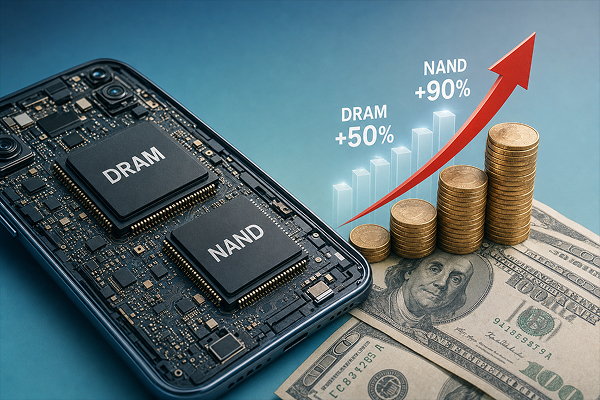
Smartphones mainly use two types of memory: DRAM and NAND. DRAM, also known as RAM, helps phones run apps and handle multiple tasks smoothly. NAND storage, on the other hand, saves photos, videos, apps and other files, even when the phone is turned off. The prices of both these memory components have increased significantly.
Due to this, manufacturers have to spend more money to make each phone. According to a recent Research, DRAM prices have increased by more than 50%, while NAND flash prices rose by over 90% in the first quarter of 2026 compared to the previous quarter. This increase has made smartphone production more expensive.
Why AI Data Centres Are Driving Up Memory Demand
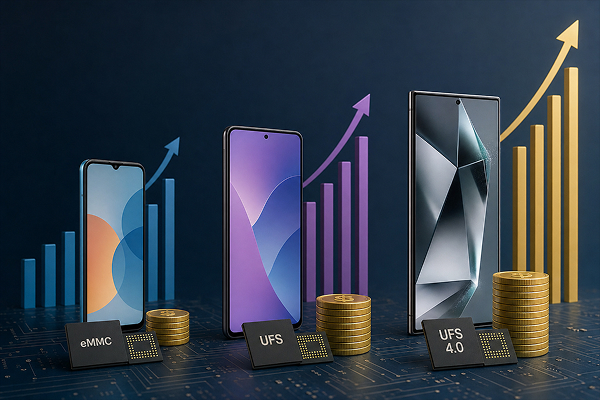
The fast growth of AI is one of the main reasons for the memory shortage. AI companies are building large data centres to develop and run advanced AI systems. These data centres need a lot of memory to process information quickly. They use special high-speed memory, along with large amounts of regular memory and storage.
As AI becomes more popular, memory manufacturers are focusing more on meeting this demand. This leaves less memory available for smartphones, computers and other devices. As a result, smartphone manufacturers are competing with other industries for a limited supply of memory.
How Memory Costs Affect Budget, Mid-Range, and Flagship Phones
Rising memory prices affect different types of smartphones in different ways. Budget phones are affected the most because memory makes up a larger part of their total production cost. Even a small increase in memory prices can make these phones more expensive.
Mid-range phones are also becoming costlier, especially models with more RAM and storage. Flagship phones also need more memory and faster components, which increases their production costs. However, premium phones are somehow able to manage some of these extra costs without increasing phone prices too much.
Why Smartphone Brands Are Passing Higher Costs on to Buyers
This is because phone companies cannot pay higher production costs from their pockets. They spend money on processors, displays, cameras, batteries, software, marketing and transportation. When memory prices rise, brands first use their existing stock or accept lower profits. But once that stock runs out, they have to pay more for new memory chips.
In such a situation, the only thing they can do is to increase the smartphone prices to manage extra costs. Some brands have already started reducing discounts or raising the prices of existing models to manage the cost. That’s the reason smartphone buyers end up paying more for the devices that have been available in the market for several months.
How Manufacturers Are Cutting Costs Through Lower Specifications and Storage Options
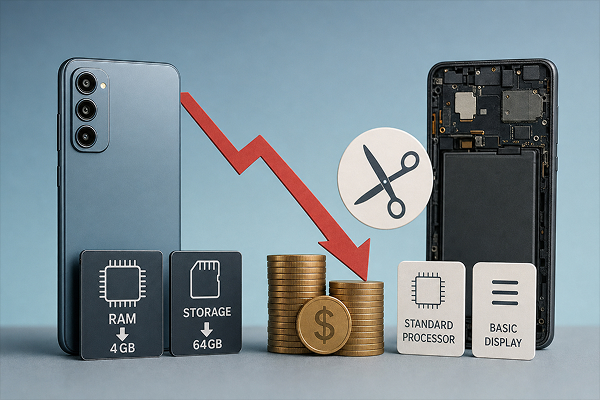
Raising prices is not the only way manufacturers are dealing with higher memory costs. Some brands are also changing phone specifications. This helps them keep production costs under control. For example, brands may launch phones with less RAM or fewer storage options or they may use cheaper parts in some areas to control costs. These steps help keep some phones affordable. However, buyers may have fewer options if they want more RAM or storage.
Why Older Phones Are Also Becoming More Expensive
Rising memory costs are affecting both new and older smartphones. Prices of older models are often increased when brands or retailers need to buy new stock at higher prices. You may have noticed that many phones become more expensive just a few months after their launch.
Several brands have already increased the prices of existing models in 2026. For example, the OnePlus 15R was launched at ₹47,999 but later its price increased to ₹50,499. Same is the case with some Samsung, iQOO and Realme older models. Gone are the days when older phones used to be less expensive. Hence, you are advised to compare the phone’s current price with newer models available in the market before you buy one.
How Long Could the Memory Shortage and Price Hikes Last?
The memory shortage may continue for some time. Manufacturers need time to increase production and meet the growing demand from different industries. According to a latest report, memory prices may continue to rise until at least 2028. This means smartphones may remain expensive for the next few years. However, the actual price changes will depend on memory supply, production levels, demand and how phone brands adjust their prices.
How Much Have Smartphone Prices Increased in 2026?
Smartphone prices have increased across different price ranges in India. According to a market study published in June 2026, entry-level phones priced below ₹10,000 saw a 17.6% price increase. Phones in the ₹10,000–₹20,000 range became 13.9% more expensive. The increase was lower for mid-range phones (₹20,000–₹30,000), at 5.6%, while premium phones (₹30,000–₹50,000) saw a 2.8% increase.
These figures show the average price increase in different smartphone categories. However, the actual price change may vary depending on the brand, model and storage option.
Which Phone Segments Are Most Affected by Rising Memory Costs?
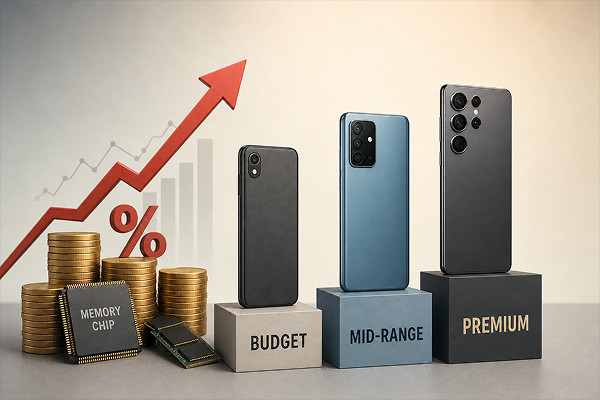
Undoubtedly, budget smartphones. They are affected the most by rising memory cost because manufacturers have limited room to increase prices without losing buyers. Even a small price increase can make a phone too expensive for someone with a fixed budget. Mid-range phones are also affected, but brands may manage the extra costs by changing phone features or prices.
Premium phones may manage price changes, but models with more RAM and storage can still become expensive. Overall, budget smartphones buyers are highly likely to feel the biggest impact.
What Rising Memory Prices Mean for Smartphone Buyers
Higher memory costs can affect buying decision in several ways:
- Higher Prices: People will have to spend more than expected for a phone with similar features.
- Fewer Budget Choices: Some manufacturers may reduce the number of affordable models they offer.
- Limited Storage Options: Phones with higher capacity may become more expensive or harder to find.
- Fewer Discounts: Brands and retailers may reduce discounts to protect their margins.
- Longer Upgrade Cycles: Users may prefer to keep their existing phones for another year instead of buying new one instantly.
Should You Buy a Phone Now or Wait for Prices to Drop?
It’s simple at least for budget buyers – If your current device is working well, then there is no need to upgrade. You can wait, compare different models and look for seasonal discounts. However, waiting for smartphone prices to drop may not help much, as memory supply could remain limited for the next few years.
If you need a new phone, buying one now may be a good option. Compare its current price with its launch price and check if a newer model offers better value. Also, choose the RAM and storage you actually need instead of spending extra on features you may not use.
Pro Tip: Keep an eye on bank offers, exchange deals and festive sales to find the best final price.
The Bottom Line
So, this is all about the key reasons for the rising smartphone prices in 2026. Rising memory prices, partially because of the growing demand from AI data centres, are making smartphones more expensive in 2026. Budget phones are undoubtedly facing the biggest price increases, but mid-range and premium phones are also affected.
Smartphone prices may take a few more years to come down. Until then, you can continue using your current phone if it works well or buy a new one that offers good value for money. Make sure to compare phone prices and features before choosing a model that meets their needs.