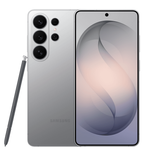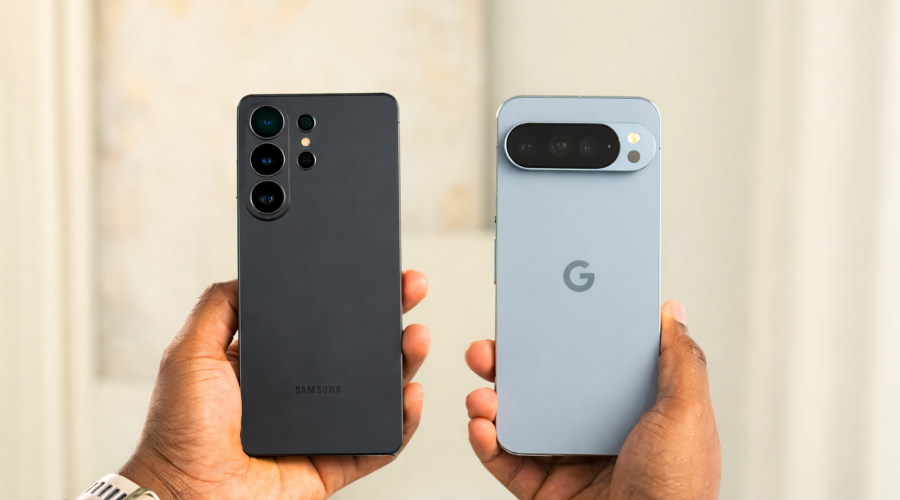
The 2026 smartphone photography contest between Samsung Galaxy S26 Ultra and Google Pixel 10 Pro XL shows more about their fundamental design principles than their actual camera resolution capabilities. Samsung shows its technological limits through its development of a 200MP camera system, which includes a dual zoom function, while Google develops its AI-powered virtual photography system, which achieves consistent real-world results.
This article compares two cameras because it shows how two different mobile devices capture the same visual content. The analysis will proceed through an exact examination of each aspect.
Key Camera Specifications Comparison
| Feature | Galaxy S26 Ultra | Pixel 10 Pro XL |
|---|---|---|
| Main Camera | 200MP, f/1.4 | 50MP, f/1.7 |
| Ultra-wide | 50MP | 48MP |
| Telephoto | 10MP (3x) + 50MP (5x periscope) | 48MP (5x periscope) |
| Front Camera | 12MP | 42MP |
| Sensor Size | 1/1.3″ | 1/1.3″ |
| Zoom System | Dual optical zoom | AI + single periscope |
| Video | Up to 8K | Up to 8K |
| Camera Approach | Hardware-focused | AI/computational |
The Galaxy S26 Ultra shows its superiority to all other devices through its superior technical specifications, with more sensors and higher resolution capabilities. The Pixel 10 Pro XL uses a small number of optimized lenses, which focus on its advanced artificial intelligence processing systems.
Real Camera Test Breakdown (Detailed Analysis)
1. Daylight Photography: Realism vs Drama

Both phones provide flagship performance during daytime hours. The Pixel 10 Pro XL presents true-to-life colors with its matching highlights and maintained contrast, enabling people to see images as they would experience them in real life. Google depends on post-processing techniques and high dynamic range calibration to achieve its current results.
The Galaxy S26 Ultra creates images that display greater visual clarity, increased brightness and more intense color saturation. The system improves image appeal through its enhancements of blue, green and red elements, which establish a visually striking effect that works well on social media platforms but may appear to be excessively edited at times.
In simple terms:
- Pixel = realistic and consistent
- Samsung = vibrant and attention-grabbing
Winner: Pixel 10 Pro XL (for consistency and realism)
2. Low-Light Photography: Light Capture Matters
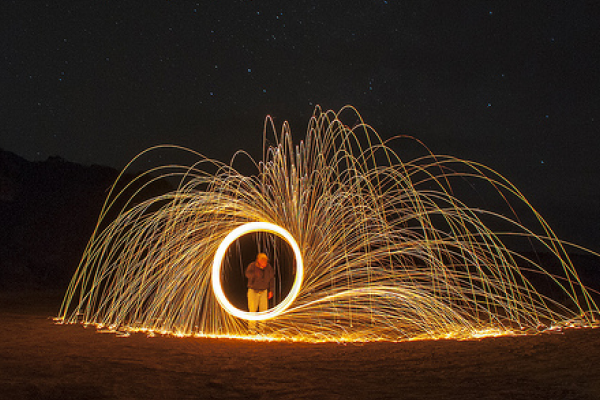
The importance of hardware begins to increase during low-light photography. The Galaxy S26 Ultra uses its f/1.4 aperture and enhanced optical system to gather more light, which produces images that are brighter and show better shadow details and have reduced noise.
Samsung has improved its periscope lens design because the new design lets more light reach the sensor, which improves the quality of night zoom shots.
The Pixel 10 Pro XL delivers good performance through its Night Sight feature and AI improvements, but it creates images that are slightly softer than those produced by Samsung devices.
Difference:
- Samsung = brighter + more detail
- Pixel = softer + more natural shadows
Winner: Galaxy S26 Ultra
3. Zoom Performance: Hardware vs AI
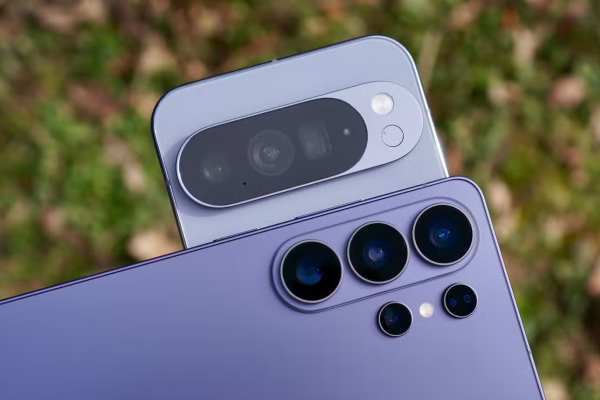
The Galaxy S26 Ultra flexes complete hardware capabilities through its performance on Zoom. The dual telephoto system of the camera provides 3x and 5x zoom capabilities, which enable users to capture sharper images throughout different zoom distances.
The Pixel 10 Pro XL operates with one 5x periscope lens, which functions together with its AI-powered Super Res Zoom technology. The system shows impressive performance, yet it falls short of Samsung’s optical zoom capabilities at extended zoom distances.
Real-world difference:
- Samsung = sharper at 10x, 30x and beyond
- Pixel = decent, but more dependent on AI reconstruction
Winner: Galaxy S26 Ultra (clear win)
For a deeper comparison, check this detailed breakdown of Galaxy S26 Ultra vx Pixel 10 Pro XL to understand how hardware and AI differ in real-world zoom scenarios.
4. Portrait Photography: The Pixel Magic

Google maintains its lead in portrait photography. The Pixel 10 Pro XL produces more natural skin tones, better edge detection, and more accurate depth mapping, even in tricky lighting conditions.
Samsung’s portrait photos show improved sharpness, yet they sometimes produce skin tones that look excessively processed or too smooth.
Key difference:
- Pixel = DSLR-like natural portraits
- Samsung = sharp but slightly artificial
Winner: Pixel 10 Pro XL
5. Ultra-Wide Camera: Creative vs Accurate
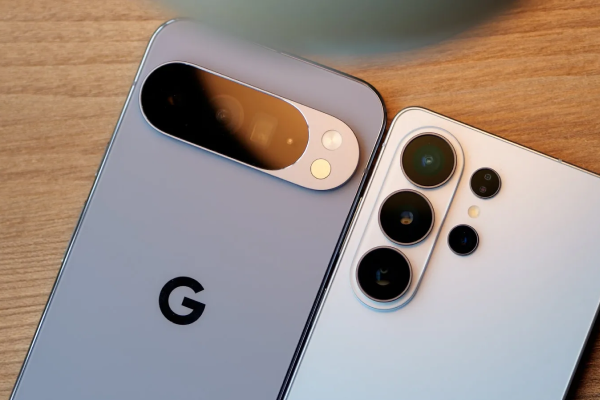
The two smartphones show similar results because they both include high-resolution ultra-wide sensors. The ultra-wide shots from Samsung display more dramatic effects because the images contain higher contrast and saturation levels, while Pixel maintains a more balanced and neutral appearance.
This is more about preference than quality:
- Samsung = cinematic landscapes
- Pixel = realistic landscapes
Winner: Tie
6. Selfie Camera: Resolution + AI Combo
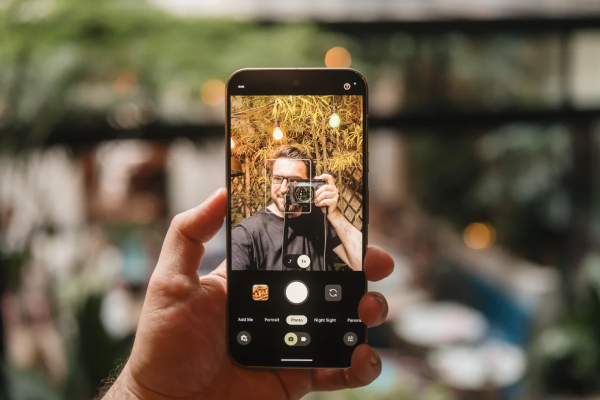
The Pixel 10 Pro XL uses its 42MP front camera to achieve superior performance when compared to Samsung’s 12MP sensor.
The Pixel produces superior selfies which show more detail and improved dynamic range when compared to backlit scenes. Samsung still delivers good results, but it lacks the same level of detail and consistency.
Winner: Pixel 10 Pro XL
7. Video Recording: Stability and Control
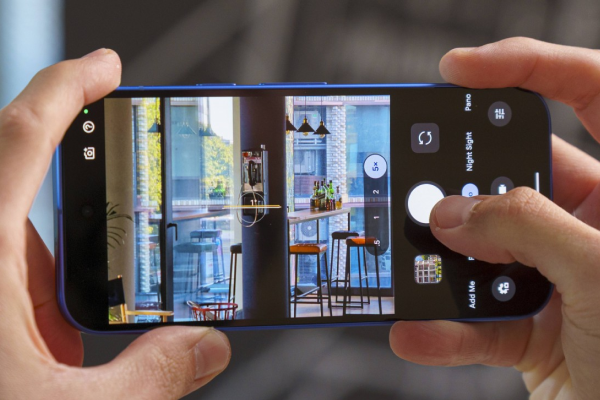
The Galaxy S26 Ultra follows Samsung’s established pattern of superior video performance. The system provides improved stabilization together with constant exposure and dependable operation across all supported resolution modes which include 8K.
The Pixel device delivers satisfactory video quality, yet it gives higher importance to its photographic capabilities than to its video recording functions.
Winner: Galaxy S26 Ultra
The Bigger Picture: Two Different Camera Philosophies
The real difference between these two phones lies in how they approach photography:
➢ Galaxy S26 Ultra
Samsung designs its products to deliver maximum hardware performance. The system provides users with operational flexibility through its multiple lenses, high megapixel capability and advanced optical systems. The system performs exceptionally well in its zoom capabilities, its ability to capture night scenes and its video recording functions.
➢ Pixel 10 Pro XL
Google emphasizes AI technology and computational photography in its research efforts. The system relies on software solutions to create consistent, natural-looking images, as it does not rely solely on hardware capabilities.
Final Thoughts
When you present people with randomly distributed pictures and don’t inform them of the phones that created them, you will usually see:
- People tend to think that Pixel will get their votes for people and everyday photos
- Most would believe that Samsung will win with zoom and nighttime photos.
That is one reason why this battle is interesting:
You will not judge the phones purely on technical specifications, but rather on the personal experiences the judges have had in their lives.