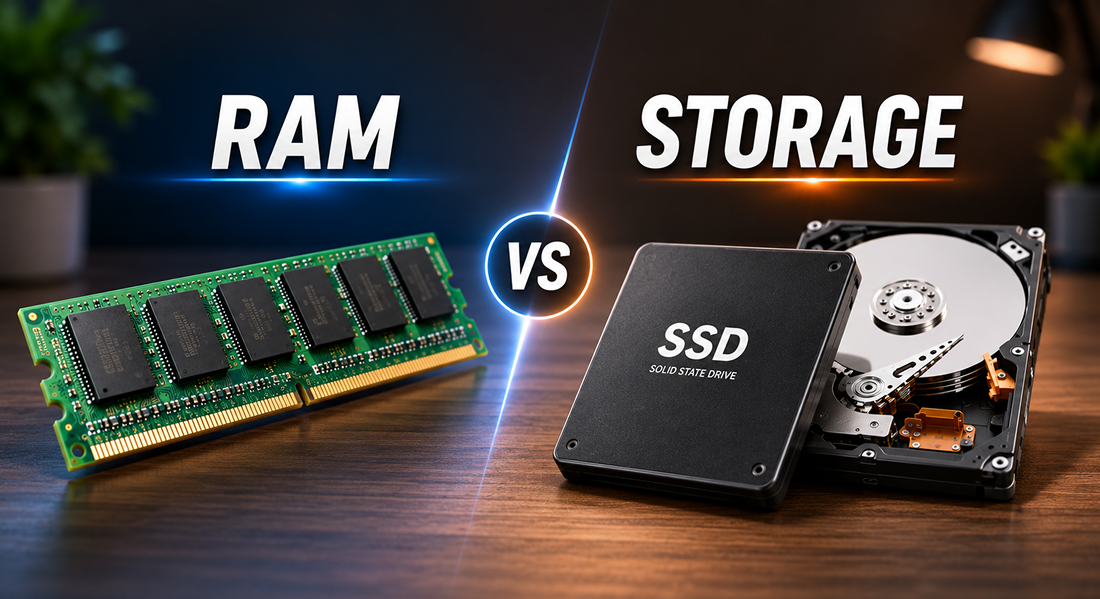
Choosing between RAM and storage can feel overwhelming. You’ll see specifications everywhere, but which specification truly impacts your smartphone experience? Understanding these two components separately and together will transform how you select your next device. This guide cuts through the jargon to reveal what genuinely matters for your specific needs!
What Is RAM and What Does It Do?
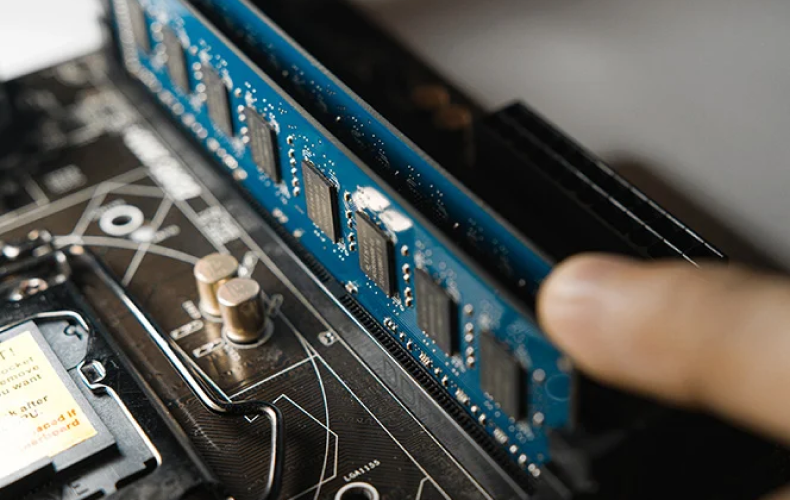
Think of RAM like your phone’s working desk. When you open an application, your device loads it into RAM temporarily. The more workspace available, the smoother everything runs simultaneously.
Random Access Memory (RAM) operates at lightning speed, allowing your processor to access information instantly. Unlike permanent storage, RAM clears completely when you restart your phone. This temporary nature means RAM doesn’t store photos, videos, or apps permanently. Instead, it handles everything happening right now on your display.
Imagine switching between messaging apps, email, and browsers rapidly. Each application resides in RAM during active use. More RAM means your phone juggles more applications without slowing down. When RAM fills completely, your mobile device starts closing background apps, causing frustration and lag.
Key points about RAM:
- Acts as temporary, lightning-fast memory for active tasks
- Clears automatically upon restart
- Enables smooth multitasking between multiple applications
- Affects overall performance speed significantly
- Never stores permanent data permanently
What Is Storage and What Does It Do?
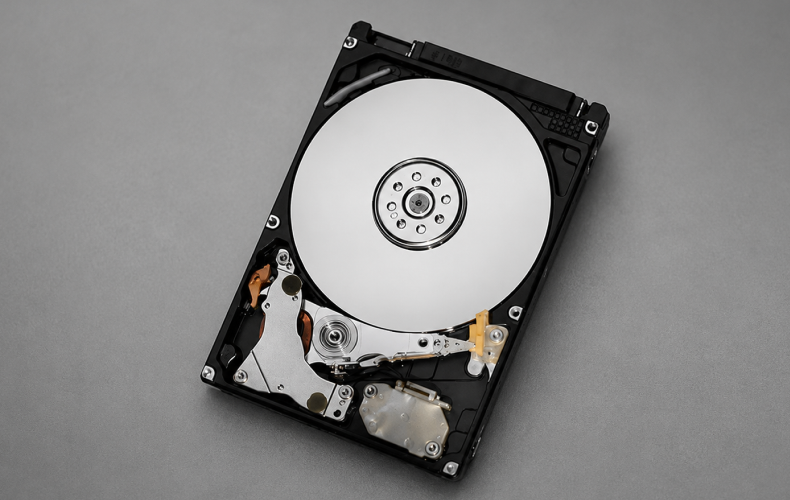
Storage functions as your phone’s filing cabinet. Everything you save permanently lives here: photographs, videos, documents, applications, messages, and settings.
Unlike RAM, storage persists indefinitely. Power off your phone completely, and your files remain secure. This permanent nature makes storage critical for keeping your digital life intact. Your apps need storage space to install themselves, and larger applications demand considerably more room.
Think about your photo library. Each image consumes megabytes of space. A 4K video requires gigabytes instantly. Over months, your storage fills up quickly. When storage runs low, your device performance degrades noticeably. The system cannot write new files, cache data properly, or function optimally.
Storage speed matters too. Faster storage means quicker app launches, faster file transfers, and speedier boot times. Modern phones use UFS technology, which varies between generations. UFS 3.1 significantly outperforms older UFS 2.1 speeds.
Key points about storage:
- Permanent repository for all your files and applications
- Persists through phone restarts indefinitely
- Capacity directly affects app installations and media storage
- Speed impacts app launch times and file operations
- Fills gradually over extended usage periods
RAM vs Storage — The Key Difference Explained
RAM and storage serve completely different purposes, yet both matter enormously for smartphone satisfaction.
| Feature | RAM | Storage |
|---|---|---|
| Purpose | Temporary working memory | Permanent file repository |
| Duration | Clears upon restart | Persists indefinitely |
| Speed | Extremely fast (nanoseconds) | Slower (microseconds) |
| Usage Type | Active application execution | File preservation and installation |
| Impact on Performance | Determines multitasking smoothness | Affects app speed and availability |
| Data Loss | Automatic on shutdown | Requires manual deletion |
Think practically! RAM determines how smoothly your phone handles what you’re doing right now. Storage determines what stays on your phone forever. A phone with abundant RAM but minimal storage runs apps smoothly initially, but eventually stores nothing new. Conversely, massive storage with insufficient RAM means apps open slowly and crash frequently.
How Much RAM Do You Actually Need?

This depends entirely on your usage patterns. Not everyone needs the same amount.
1. 4–6GB: Basic Use
This category suits people checking emails, browsing social media, and reading news. Your usage stays relatively light and focused on single applications at a time.
With 4 to 6GB, you’ll experience smooth performance for everyday tasks. Switching between several apps feels natural. Photography, messaging, and communication applications work without stuttering. However, gaming or demanding applications may cause occasional stuttering. Video recording in 4K might encounter minor lag.
Basic users benefit from this RAM capacity perfectly. You’ll rarely encounter frustration. Background apps stay loaded without issue. Your battery life remains respectable because less processing occurs simultaneously.
2. 8–12GB: Multitasking and Gaming
This range serves the average user exceptionally well. You use multiple applications daily and expect seamless transitions between them.
With 8 to 12GB, multitasking becomes genuinely smooth. Open ten applications simultaneously without experiencing lag. Gaming performance improves dramatically with higher frame rates. Professional applications like video editing software handle the workload comfortably. Social media apps loaded with content switch without delay.
This category represents the sweet spot for most individuals. You maintain responsive performance throughout the day. Apps rarely close unexpectedly. Gaming experiences feel immersive and fluid.
3. 16GB and Above: Power Users
Professional users, serious gamers, and content creators inhabit this tier. You demand maximum performance without compromise.
With 16GB or more, everything becomes instantaneous. Demanding games operate at maximum settings flawlessly. Video editing software handles multiple layers effortlessly. Streaming whilst gaming produces zero lag. Your phone feels completely unrestricted in capability.
However, most people never notice the difference between 12GB and 16GB practically. Marketing sometimes oversells this capacity. Unless you genuinely push your phone to extremes, 16GB remains unnecessary for current applications.
How Much Storage Do You Actually Need?
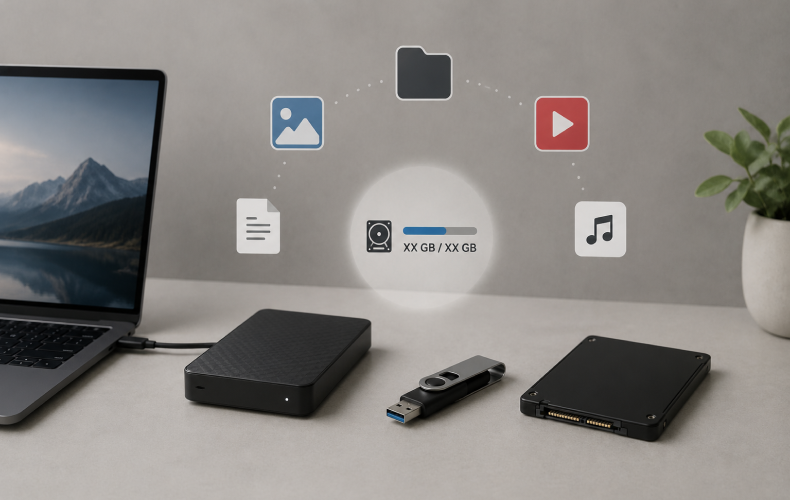
Storage requirements vary wildly based on usage patterns. Calculate your actual needs before purchasing.
1. 128GB: The Baseline
One hundred twenty-eight gigabytes sound spacious initially. A 128GB phone can store approximately 25,000 photographs of average quality. Music libraries of 30,000 songs fit comfortably. Several hundred applications install without issues.
However, modern applications grow constantly larger. Game sizes reach 10 to 20GB regularly. Updates consume additional space monthly. Social media apps cache vast quantities of data automatically. After twelve months, 128GB feels genuinely cramped.
This capacity suits light users perfectly. If you rarely download files or photographs, 128GB suffices. Heavy users quickly experience storage anxiety.
2. 256GB: The Modern Standard
Two hundred fifty-six gigabytes represent today’s practical minimum. A 256GB phone can store approximately 50,000 photographs comfortably. Large game libraries coexist with substantial music collections. Video content accumulates without immediate concern.
Most users find this capacity genuinely adequate. Your phone feels spacious throughout two to three years of ownership. Occasional cleanup suffices to maintain breathing room. Professional applications, creative software, and entertainment apps coexist peacefully.
This capacity provides genuine peace of mind. You won’t obsessively manage storage constantly. Legitimate files stay available always.
3. 512GB and Above: Serious Content Storage
Half a terabyte accommodates serious photographers, videographers, and professionals. A 512GB phone lets you store enormous video libraries, raw photography files, and substantial project materials.
Content creators working directly from phones benefit tremendously. Your entire portfolio resides locally. Cloud dependency diminishes significantly. Backup copies stay permanently available. Large file transfers happen instantly within your device.
Casual users rarely need this capacity. But for specific professions, 512GB becomes invaluable. Videographers filming in 4K or 8K absolutely require this capacity.
What Is Virtual RAM or RAM Expansion — Is It Real?
Virtual RAM technology converts available storage into additional RAM temporarily. This innovation sounds miraculous but requires understanding genuine limitations.
When physical RAM becomes full, your system transfers overflow data into fast storage areas. This provides marginal performance improvement when RAM genuinely fills. However, storage-based RAM operates significantly slower than genuine RAM chips.
Think of it as borrowing against your storage capacity. When your actual RAM exhausts, virtual RAM prevents immediate crashes. Applications continue functioning, albeit slower. The system remains responsive, though not snappy.
Is virtual RAM genuinely useful? Sometimes. For average users with adequate physical RAM, virtual RAM provides minimal practical benefit. For heavy multitaskers, virtual RAM prevents annoying app closure moments. Modern processors handle 8 to 12GB RAM sufficiently for virtual expansion utility.
Manufacturers market virtual RAM aggressively because it sounds impressive. Realistically, it provides backup functionality rather than genuine performance enhancement. Don’t prioritise virtual RAM above physical RAM capacity when purchasing.
Common Mistake: Prioritising RAM Over Storage Speed
Many buyers obsess about RAM quantity whilst ignoring storage speed entirely. This represents a critical error in smartphone purchasing logic.
A phone with 12GB RAM and UFS 2.1 storage feels slower overall than a phone with 8GB RAM and UFS 3.1 storage. Apps launch faster from quick storage. Switching between applications feels snappier. Video recording and file transfers complete quicker. Your daily experience improves dramatically.
Storage speed impacts everything noticeable during daily use. Yet many consumers overlook specifications entirely, focusing solely on RAM numbers on marketing materials.
When purchasing, prioritise storage speed equivalent to your budget, then maximise RAM within remaining funds. This approach produces genuinely snappier phones than maximising RAM with slow storage. Your everyday experience improves measurably.
The Bottom Line
Both RAM and storage matter critically for smartphone satisfaction. Neither deserves priority absolutely.
Aim for minimum 8GB RAM for smooth daily operations. Target 256GB storage as your practical baseline. Verify storage speed matches current standards like UFS 3.1. Balance both specifications equally rather than maximising one dimension.
Consider your specific usage patterns honestly. Light users need less. Heavy users demand more. Gaming enthusiasts require RAM emphasis. Content creators demand storage capacity primarily.
Understanding these components empowers smarter purchasing decisions. You’ll select phones matching your genuine needs rather than marketing claims. Visit TechSpecs for detailed specifications on devices you’re considering, comparing real performance metrics alongside pricing information and comprehensive technical details for your next smartphone investment.