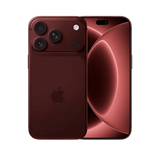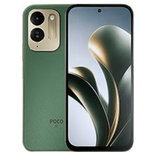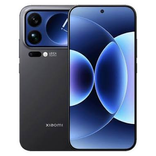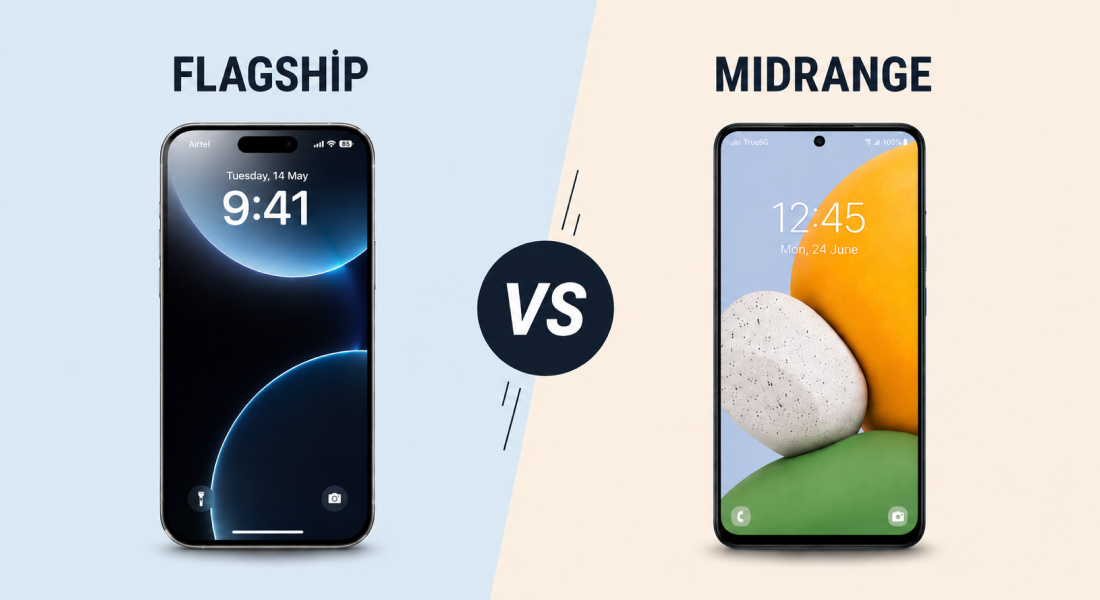
Why do we spend double or triple on flagship phones, when mid range phones can give us the same performance? The answer is not simple. “Simple” is not a word that is often associated with modern phones. Even though flagships and mid range phones are both smartphones, you can’t really tell the difference just by looking at the specs, and most of the difference is in the premium. So, figuring out justifying that premium can lead you down a road to making purchases based on need, instead of based on brand loyalty or prestige!
What Actually Separates Flagship and Mid-Range Phones?
Just because two categories say “smartphone”, doesn’t mean they’re the same. It’s a bit like buying a new bottle of water. It may look the same, but the flavor profile and the crispness of the water will differ. Let’s look at the ‘real differences’ between flagship and mid range phones.
1. Processor Performance
The processor in the flagship phone is the most recent architecture. If you’re buying a mid range phone with a processor that was launched in, say, a year, it will lag behind the flagship version. Understand how the difference in generation will impact real world usage, and game performance. Flagship phones can handle any demanding game with all graphics settings on simply, but mid range phones normally throttle down the graphics to provide a more fluid experience.
This difference in performance & experience is also carried over to multitasking. Mid range chips will also lag down after long periods of video editing. Lastly, flagship processors will maintain battery life for the most part, with the premium in the sheer speed, but also with less energy consumption, giving the flagship phones more battery life than their more expensive brethren, despite having smaller batteries.
But in reality, most casual users never encounter scenarios in which mid-range processing power would fall short. Scrolling through social media, texting, browsing the web, and streaming on the go goes on just as smoothly on both sides of the spectrum.
2. Camera Hardware
Flagship devices come with larger sensors, higher light sensitivity and more sophisticated computational photography algorithms. A larger sensor physically has the capability of capturing more light data, and you’ll notice the difference when you attempt to picture a dimly lit subject.
Flagships also boast superior optical zoom capabilities that offer less loss in quality as you zoom. Mid-range phones sometimes offer a “digital zoom” under the guise of optical, cropping and upscale images rather than provide a truly optical zoom.
Colour accuracy, dynamic range, and processing algorithms all play a role in flagship cameras’ superiority, though contemporary mid-range cameras still produce remarkably impressive photos in daylight. Most social media usage does not in fact require flagship quality photography.
3. Build Materials
Flagship components contain premium materials that provide better scratch resistance and look more premium. Gorilla Glass Victus (or other super top tier protective glass coatings) offer greater scratch resistance than general Gorilla Glass. Premium aluminium quality is more durable than comparable mid-range blocks.
And yet consumers have ease of use issues with mid-range phones, that adds to their bitterness. To begin with, water resistance ratings differ. Flagships have better water resistance, often going deeper. A phone that can go to a depth of 50 metres is significantly more water resistant than one that meets IP67 standards. This isn’t significant for casual users who avoid dipping phones in water.
Wireless charging is a meticulous technology to implement to order, and it occurs on flagship phones, but not many mid-range phones. Neither do mid-range phones have reverse wireless charging, the option to charge accessories via the phone.
4. Software Support Length
The longer the life, the higher the cost of software updates to keep the phone up to date and secure.Wilson notes Samsung has pledged four major Android updates plus five years of security patches to flagship phones. Mid-range phones are benchmarked against three years of major updates, plus three years of security patches.
This is more significant for people who keep their phones for four or five years than the two years’ difference here.
Where Mid-Range Phones Have Closed the Gap
Despite mid-range improvements, flagship phones maintain tangible advantages in specific areas.
Processing horsepower still favours premium devices for intensive workloads. Flagships demonstrate substantially faster computation during photo processing, video editing, and gameplay. The difference remains academic for casual users but becomes apparent for professionals.
Display quality still separates premium from standard devices. Flagship screens achieve higher brightness levels, better colour accuracy, and enhanced smoothness through advanced refresh rate handling. The improvement feels minor during typical usage but becomes significant for extended viewing.
Thermal management represents another advantage. Flagship engineering dissipates heat more effectively, maintaining performance during extended gaming or video recording. Mid-range devices sometimes throttle performance under sustained load.
Manufacturing precision and material consistency surpass mid-range standards. Flagships demonstrate tighter tolerances and superior fit and finish. These aspects accumulate into noticeably more premium feeling devices.
Premium features like periscope zoom technology, advanced computational photography, and exclusive software features remain flagship exclusive. Manufacturers reserve cutting-edge innovations for premium pricing.
Where Flagships Still Clearly Win
Flagships still have significant advantages in certain areas.
- Speed: The data shows that processing horsepower is ruling out entry-level devices for use with intensive photo and video processing. Even the most efficient processor under normal circumstances can be put to the test during photo rendering, video editing, or lengthy gaming sessions. The speeds offered by the flagship devices were substantially better. For the casual user, the difference is irrelevant. For the professional user, the difference can be staggering.
- Display: If you’re content with a display that looks good, then most entry-level devices will not disappoint. However, flagship devices will offer you a higher degree of colour accuracy and brightness, as well as a smoother overall visual experience, thanks to better refresh rate handling. The difference will not be felt during everyday use, but the readings have shown a significant advantage for the flagship devices.
- Thermal management: Flagship devices will be able to dissipate heat more efficiently than their counterparts across the range. This can translate to a higher overall performance when playing games or recording video. The mid-range devices are more prone to throttling performance when under a sustained workload.
- Manufacturing: Whilst most devices will not feel or look off the shelf, flagship devices are of noticeably better fit and finish, with a higher degree of precision. The difference can be noticed almost immediately when you pick up the device, and also after prolonged use.
- Feature set: Flagship devices continue to reserve the latest innovations, including periscope zoom, computational photography, and software features such as gestures or additional skins, to their premium devices.
Who Should Buy Flagship Vs Who Should Buy Mid-Range?
1. Flagship Phone Buyers
Purchase flagship phones if you keep devices for four or five years. Longer software support ensures security and feature access throughout extended ownership. Professionals requiring processing power for editing work benefit substantially from flagship performance. Photography enthusiasts wanting optimal image quality warrant premium camera hardware investment. Individuals valuing premium materials and brand prestige justifiably choose flagships.
Gaming enthusiasts regularly pushing performance limits find superior cooling and processing worth premium pricing. Content creators recording videos benefit from advanced thermal management during extended shooting sessions.
2. Mid-Range Phone Buyers
Most users genuinely need only mid-range capability. Casual buyers checking email, social media, messaging, and streaming video experience no meaningful limitation. Budget conscious purchasers replacing phones every two to three years avoid unnecessary extended support waste.
Photography hobbyists taking daylight photos achieve excellent results with mid-range cameras. Individuals valuing the latest technology on tight budgets find excellent value in mid-range options released recently. Users preferring portability often appreciate mid-range phones’ frequently smaller footprints.
| Feature | Flagship | Mid-Range |
|---|---|---|
| Processor Generation | Latest Flagship Chip | Previous or Mid-Tier Chip |
| Camera Sensor Size | Large (1 inch+) | Moderate (0.67 to 0.8 inch) |
| Optical Zoom | Periscope (up to 10x) | Standard (up to 3x) |
| Build Materials | Premium Glass and Metal | Mixed Materials |
| Water Resistance | IP68 (1.5m) | IP67 (1m) |
| Refresh Rate | 120Hz to 144Hz | 90Hz to 120Hz |
| Wireless Charging | Yes | Usually No |
| Software Support Years | 4 to 5 Years | 3 Years |
| Starting Price | £800 to £1,200 | £300 to £600 |
3. The Practical Breakdown
Take this real-world test: budget buyers, casual users and users who replace their phones every two years should choose mid-range phones. Professionals, long-lived users and gamers clearly prove most reasons to buy a flagship phone. Most people are honest about being mid-range buyers, no compromise vis-a-vis reality.
The Bottom line
Flagship phones offer real benefits that justify a higher price tag for specific use-cases. Powerful processing, superb cameras, better build quality and longer app support all add up to professionals and long-lived users.
But mid-range phones now pack punch for much less; everyday users get almost the same performance and experience. The experience gap has narrowed greatly over the previous generations of mobile devices.
Interested in buying? Consider your personal needs rather than marketing buzz. Will you leverage flagship features? Do you hold on to a phone for a long time? Does processing power affect your everyday experience?
Answering these questions honestly makes consumers realise that many spend a lot of money on features they never use. Some users legitimately gain from premium devices. Knowing your real needs means buying a phone that delivers the most value for your type and price range as opposed to just a brand name.
Ready to make a choice? Look up detailed specs on TechSpecs and compare processor benchmarks, camera benchmarks and software support timelines side by side. Our database gives you all you need to decide which phone is cheaper or flagship suits your type and budget.