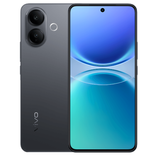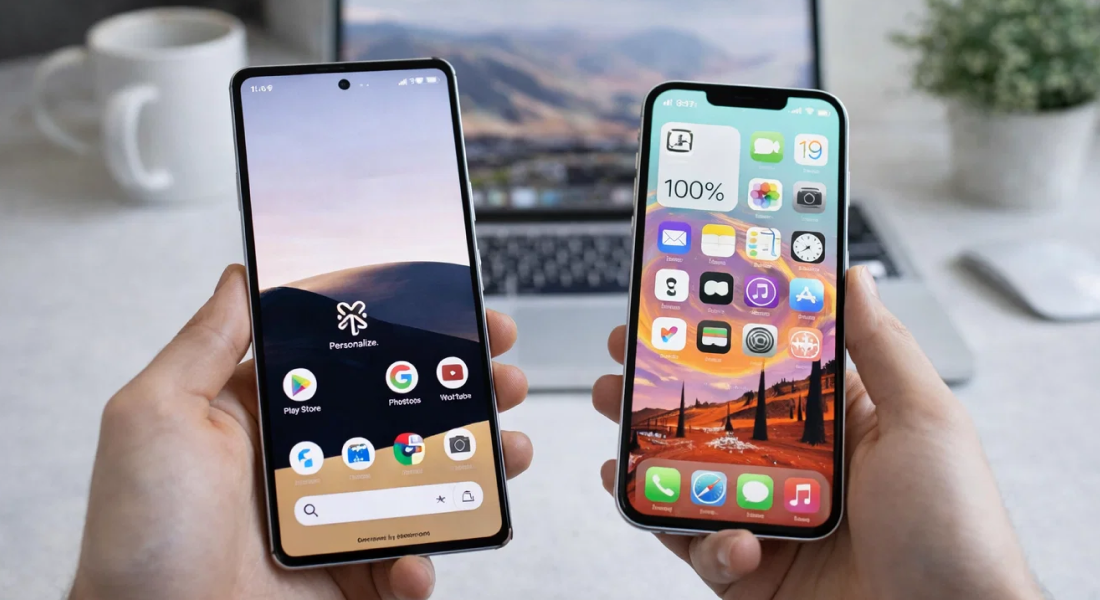
When it comes to choosing between an iPhone and an Android smartphone, this is an ongoing challenge faced by many consumers. Both operating systems have been around long enough that they both have incredible functionality built in. One of the biggest difficulties in choosing which of these two devices is most appropriate for day-to-day use is how to compare their overall usability.
As a result of so many different smartphones available, this decision could become ever more complicated. iPhones are often considered the most consistent smartphone platform because they have a very unified ecosystem of apps, accessories and services. However, Android devices are unique in their ability to be personalized based on individual preferences, as well as offering better hardware than iPhones, because there are many manufacturers of Android devices.
So, to have a better understanding of these two devices might help you to choose which one is better, an iPhone or an Android phone.
Which One is Better for Daily Use?
| Feature | iPhone | Android |
|---|---|---|
| Ease of Use | Intuitive, consistent | Varies by manufacturer; more customizable |
| App Ecosystem | Excellent quality & security | Wider variety, sometimes inconsistent |
| Updates | Regular, long-term support | Varies; some get fast updates, others delayed |
| Hardware Quality | Premium and consistent | Varies from budget to premium |
| Battery Life | Good, but often smaller batteries | Often larger batteries, longer usage possible |
| Customization | Limited | Highly customizable |
| Price Range | Premium only | Wide range: budget to ultra-premium |
Core Comparison Sections
1. Design & Build Quality: iPhone vs Android
Apple’s iPhone’s design and quality are recognized for their style and luxury. They come in a very beautiful, simple package with an alloy or stainless steel frame and a glass back.
While Android has a wide range of brands, such as Samsung, Google Pixel, etc., offering great quality and premium materials, it also includes low-cost plastic alternatives.
2. Operating System & User Experience
iPhone (iOS):
- Smooth, intuitive interface
- Regular updates across all supported devices
- Seamless ecosystem with other Apple devices
Android:
- Highly customizable interface
- Varies by manufacturer (Samsung One UI, Google Pixel UI, etc.)
- Wide variety of apps and widgets, but less uniform experience
3. Performance & Speed Comparison
Due to Apple’s proprietary chips (like A18), iPhones tend to outperform Androids in terms of raw computing power, while there are many feature-rich and speedy Androids, flagship Androids with Qualcomm’s/MediaTek’s processors are comparably quick (varies widely by manufacturer).
| Feature | iPhone | Android |
|---|---|---|
| Processor | Custom Apple chips (A-series) | Snapdragon/Exynos/MediaTek |
| Gaming Performance | Excellent, optimized | Very good, depends on the device |
| Multitasking | Smooth, but fewer custom options | Flexible, can handle multiple apps efficiently |
4. Camera Quality: Which One Takes Better Photos?
iPhone is famous for producing natural-looking images and being capable of recording video in very high quality. In comparison, Android devices that have flagship devices like the Samsung Galaxy S Series or Google Pixel may have superior low-light photography and zoom photography capability compared to an iPhone. However, they do differ from the iPhone in terms of software processing.
| Feature | iPhone | Android |
|---|---|---|
| Daylight Photos | Consistent, natural | Excellent, sometimes more vivid |
| Low-Light Photos | Very good | Some Androids excel (Pixel, Samsung) |
| Video Recording | Excellent, industry-leading | Very good, varies by model |
| Camera Flexibility | Limited settings | More manual controls and lenses |
5. Battery Life & Charging Speed
In comparison to Android devices, iPhones typically come equipped with relatively smaller-capacity batteries, but they will often last a whole day of regular use after optimally using this limited battery capacity.
| Feature | iPhone | Android |
|---|---|---|
| Average Battery Life | 1 day | 1–2 days, depending on the model |
| Fast Charging | Supported, slower than many Androids | Very fast on many flagships |
| Wireless Charging | Supported | Supported on most flagship models |
6. Software Updates & Long-Term Support
Apple has a very strong advantage over the competition, as they provide 5-6 years of free software upgrades for its devices. Furthermore, Android devices vary in how long they will receive free software upgrades.
Google Pixel devices have the best software upgrade support for an Android device at the iPhone-level, while most other Android devices will only receive software upgrades for 2-3 years from their original purchase date.
Budget vs Premium Options
| Category | iPhone Options | Android Options |
|---|---|---|
| Budget (<$500) | iPhone SE | Samsung A series, Pixel “a” series |
| Mid-Range ($500–$900) | None (iPhones start high) | Samsung Galaxy, OnePlus, Google Pixel |
| Premium ($900+) | iPhone 15 Pro/Pro Max | Samsung S23 Ultra, Google Pixel 8 Pro |
Pros and Cons: iPhone vs Android
iPhone Pros:
Consistent software and hardware experience
Regular long-term updates
Excellent ecosystem with other Apple products
Industry-leading video and photo quality
iPhone Cons:
Expensive
Less customization
Limited hardware variety
Android Pros:
Wide variety of devices for all budgets
More customization options
Better battery life on many devices
Cutting-edge hardware features
Android Cons:
Inconsistent software updates
Quality varies by manufacturer
Some devices slow down faster over time
Conclusion
Neither of these two devices is better as both provide important benefits in separate categories. The best choice depends on your needs, including whether you value an upscale, dependable product with years of continued service from the manufacturer.
If you want a premium and consistent experience with great long-term service, you should go with iPhone. On the other hand, If you want many options, such as customization or better battery life choices, go with Android.
For daily usage, iPhones are generally easier and smoother to use than Androids; however, if you’re a power user, you may appreciate the ability of Android to give you flexibility.