

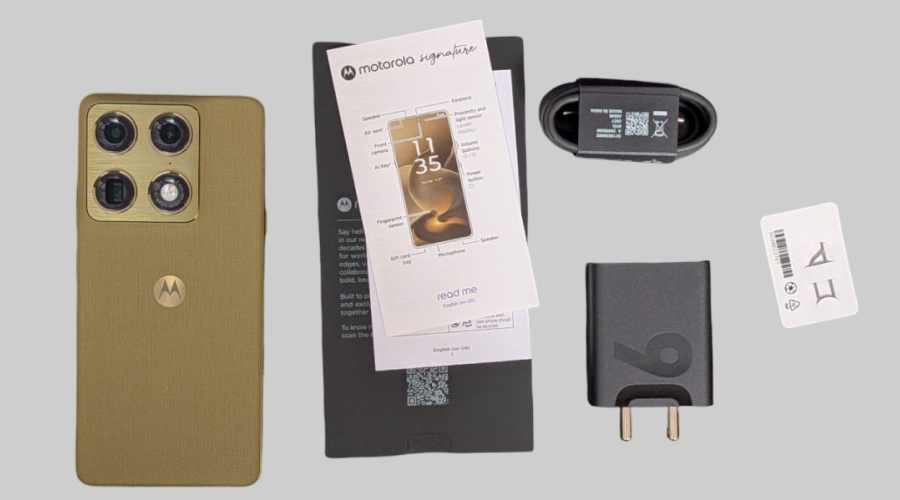
The price is Rs 59,999, which honestly gave us pause. It’s not “budget” territory, but it’s also not “sell a kidney” territory either. It’s this weird in-between where you have to actually think about buying it. But then you look at what’s inside and start doing the math. Snapdragon 8 Gen 5. That LTPO screen everyone keeps talking about. Cameras that do 8K video (even though we’re pretty sure nobody actually watches 8K video on their phone). And get this, they’re promising seven years of software support. That’s like… ancient in phone years. A phone from seven years ago had a headphone jack and a notch, and we thought that was peak technology.
We’ve been using this thing for about a week now. Took it everywhere. Dropped it a couple of times (accidentally). Let different people in the office try it. Had arguments about it. The usual. Here are some of the things we noticed that were worth mentioning. It’s not all bad.
1. Design
First thing you notice picking this up, it’s thin. Really thin and light. We’re so used to flagships feeling like carrying a small brick that the Signature genuinely surprised us. 6.8-inch screen, which sounds massive on paper, but it’s only 186 grams and like 7mm thick. You feel the difference after holding it for a while. Your hand doesn’t get that cramped feeling, a small win but a real one nonetheless.
Now, the color situation. We got the Pantone Martin Olive one, and we genuinely cannot agree on it. Half of us think it’s this cool, understated look. Mature. Professional even. The other half thinks it looks like someone forgot to finish painting it. We noticed there’s a grayish-greenish thing happening (honestly, I don’t even know what that means) that doesn’t quite say “premium.” The Pantone Carbon version in the press photos looks way more like what you’d expect for the price. But honestly, color’s so personal. Maybe you’ll love the olive. Maybe you won’t. We’re split and staying split on this one.
The fabric-style back? That we can absolutely agree on. Feels nice in the hand. Soft grip kind of feel. Doesn’t turn into a fingerprint disaster five seconds after you touch it, which is nice because we hate when phones look greasy. Motorola has used similar vegan leather-style finishes on devices like the Motorola Edge 50 Ultra and Motorola Edge 40 Neo, and they usually hold up pretty well.
Long-term durability? No idea. Ask us in a year when we’ve actually abused it properly. Also annoying thing – no case in the box. And no screen protector either. Our review unit already picked up some micro scratches from just living in a pocket with keys and coins. Something to know before you buy.
Durability though? They actually went for the prize here. IP68, IP69. MIL-STD-810H. Gorilla Glass Victus 2. This phone could probably survive things we wouldn’t survive. So there’s that.
2. Display
We’ll just come out and say it – the screen is the best thing about this phone. 6.8-inch LTPO AMOLED. Colors look vibrant without looking fake. Blacks are actually black. HDR content makes you stop and just watch for a minute instead of scrolling past. They advertise a 165Hz refresh rate, which sounds insane.
In real life, it mostly runs at 120Hz except for some optimized apps, which can push the screen to its limit. You know what? We didn’t notice the difference until we checked the settings. It’s smooth. That’s what matters. Probably saves battery anyway, which is good.
One weird thing, though. Out of the box, the wallpaper and theme make the screen look kinda dull. We almost thought something was wrong with our unit. Changed the theme and suddenly it popped. So do that first if you get one. Weird default choice by Motorola, honestly.
Outside visibility? Fine. Can see it in sunlight, no complaints there. There are two speakers and they are quite decent. Dolby Atmos is there. It’s fine for YouTube and TikTok. Music sounds a bit thin. Like noticeably thin compared to the OnePlus 15. Voices are clear, music lacks depth. Not a dealbreaker unless you care about audio. We kinda care, but not enough to not recommend the phone. Depends on you.
The fingerprint sensor works. It’s where you expect. It’s fast. Moving on.
3. Software
Hello UI on Android 16, which is basically just Android with a different name. That’s good. Light interface, smooth animations, almost no bloatware. There are 38 apps total out of the box installed in the phone. No duplicate garbage. No apps trying to sell you stuff. It feels like someone actually cared about the user experience instead of just maximizing profit per device. It was like a breath of fresh air after dealing with the insane amount of bloatware on other devices.
There’s this AI Key on the side. You can press it for notification summaries and note stuff. But you can’t remap it to do what you want. Not going to lie, this was a bit frustrating. Let us open Spotify with it, open Maps, let the users do anything useful, literally. Feels like a missed opportunity because the hardware button is right there, and we just want to make it ours.
Seven years of updates. That’s the headline here. That changes the whole conversation about value. Suddenly, Rs 59,999 doesn’t feel like “we’ll need a new phone in two years.” It feels like “we’re set for a while.” That matters. That’s real value.
4. AI Features: They’re There If You Want Them
So it’s got Moto AI, Google Gemini, Microsoft Copilot, and Perplexity. Like every AI service decided to move in together. Do we use them? Not really. They work if you want them to. Summarize stuff, search stuff, all that. But day to day, we’re just opening apps like normal people.
Also weird thing – some of the AI apps only showed up in the secondary user profile. No idea why, that was a first for us. Felt like someone forgot to flip a switch somewhere.
5. Performance: Fast, but Warm
Snapdragon 8 Gen 5. That’s the engine. It goes. Apps open fast. Switching between stuff is smooth. Games run well. In this price range, it’s one of the fastest you can get. No argument there. But, there’s always a but. Push it for a while. Like an hour of something heavy.
Gaming or video editing, or whatever. It warms up. Then it throttles a bit. Not enough to ruin anything. Just enough that you notice. It goes from “effortless” to “working a little hard.” Not a huge deal. But it’s there, and we noticed it.
5200mAh battery. 90W wired charging. 50W wireless. Great charging speeds, under 40 minutes to full. And they put the charger in the box. That’s becoming rare.
Battery life, though? Eh. Four to five hours of screen time. Gets through a normal day. Work, social media, some photos, music in the background. Fine, but heavy gaming or lots of video? You’ll be looking for an outlet by evening. Compared to some phones out there now? It’s behind. Not terrible. Just not great.
Wrapping it up
The Motorola Signature knows what it wants to be. It’s not trying to change the world. It’s trying to give you a good screen, fast performance, clean software, for less money than the competition. And honestly? It mostly works. The slim design is actually nice. Like, actually nice, not marketing nice. Seven years of updates is a big deal. That’s real long-term thinking. But the battery is just okay, the speakers are whatever, and it gets warm when you push it.
Still though. If you want flagship speed and Android the way it should be, without spending a fortune? Easy recommendation. It’s not perfect. But it’s real. And honestly, that’s enough sometimes.
Verdict
Look, the Signature gets the basics right. It’s fast when you need speed. The screen actually looks good – like genuinely good, not just marketing good. And the software is basically just Android with a different name, which, honestly, is what we want at this point.
But Motorola played it safe in some spots, and it shows. Battery life is whatever. Speakers are fine for podcasts, less fine for music. Push the processor hard, and it gets warm and starts thinking about maybe slowing down a little. We like this phone, but we don’t love it. That distinction matters.


