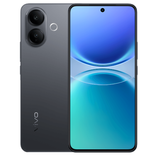
Whenever you see a smartphone specification sheet, you will notice a number followed by the word “nits.” Brands even market their phones with 1,000, 2,500, 4,000, 4,500 nits or even more. These numbers often appear a big kind of thing, influencing customers’ decisions. But is that the right way to make a purchase based on juts nits?
Let’s understand everything about nits here, including what is it and how many nits do you actually need in a smartphone display. So, let’s get started…
Understanding nits – What Are They?
A nit is a unit that is used to measure screen brightness. It basically tells you how much light a display can produce. In simple terms, the higher the nit value, the brighter your screen will be. For an instance, a phone with 500 nits will be moderately bright, whereas the one with 2,000+ nits will be extremely bright.
The level of brightness your phone produces play a crucial role in defining how easy it is to see your screen. And this is specifically important when you are outdoors or under direct sunlight. Understand that a phone with a brighter display makes it easier to read even on a sunny afternoon, while a dimmer screen makes it difficult to use outdoors.
Why Does it Matter?
Screen brightness matters specifically for outdoor visibility. A phone with higher nits makes it easier to read or check your screen comfortably. Today people use their phones for multiple things, rather than simply using it for making calls. Phones are used for reading documents, watching movies, playing games, scrolling sites and so on. A brighter display can improve your outdoor readability, HDR video viewing, gaming visuals, photo and video editing and overall viewing comfort. A display that can adjust its brightness effectively ensures a better experience in different lighting conditions.
Typical Brightness vs Peak Brightness: How They Differ
More often than not, phone companies advertise their phones with the highest brightness number they can achieve. This is actually known as peak brightness. Peak brightness can only be reached under specific conditions. For instance, if you are displaying HDR content or when you are under direct sunlight, that’s when the display reaches its peak brightness.
Rest of the time, your phone operates at typical brightness. So, whenever phone brands market their products they mention, both peak brightness and typical brightness. The nits units will be lesser for typical brightness. For example, your phone may have peak brightness of 4,500 nits with typical brightness of 1000 nits.
This is because lower brightness levels are more comfortable for everyday use and make the display easier on the eyes during daily activities. Therefore, you are advised to not just depend on peak brightness. Let’s now take a look at the most important aspect. Here we go…
How Many Nits Are Enough?
It is important to understand this. The best thing about modern smartphones is that most of them come with bright displays. Usually, around 500 to 700 Nits or typical brightness is enough for all kind of indoor activities, such as browsing social media, watching videos, reading articles and performing everyday tasks indoors.
However, when you are outdoors, this may not help you much. Here, you need at least peak brightness of 800 to 1,200 Nits (minimum). Phones with this nits value make it easier to read outdoors. They even ensure enhanced viewing experience indoors. If you are comparing different smartphone models based on display performance, checking a comparison mobile guide can help you understand how brightness levels differ in real-world usage. However, if you stay out most of the time, then it is wise to opt for a device with around 1,500 to 2,500 Nits. They offer excellent sunlight visibility. Even under harsh outdoor conditions you would be able to read or watch videos. Thankfully, most modern phones already deliver higher nits value, in most cases it is above 3,000 Nits.
In simple words, a phone with 2,000 nits is sufficient enough for most people. Opting for a higher nits or display brightness is not required for everyone. Hence, it is crucial you are making your choice mindfully.
Does More Brightness Mean Better Display Quality?
Not really! Understand that brightness is only a part of display quality. A display quality is defined by several other factors, including color accuracy, contrast, resolution, refresh rate, viewing angles and hdr performance.
A display with slightly lower brightness but better color reproduction can provide a better overall experience than a brighter display with poor tuning. That’s the reason tech experts suggest to buy a device with complete display package rather than just focusing on the nits value.
Does nits Impact Battery Life?
Of course, they do! Displays with higher brightness consume more battery, especially when operating at their peak brightness levels. The brighter the screen gets, the more power it requires. But thankfully, most modern smartphones come with adaptive brightness technology that automatically adjusts the screen brightness based on your surroundings. This helps balance visibility and battery life more efficiently.
Shall a Person Upgrade to a 4,000-Nit Display?
Not at all! It is not necessary to upgrade just for the nits. If a phone is already claiming 1,500 to 2,500 nits, then it’s more than sufficient for you, especially if you need a device for everyday use only. It will also provide good outdoor visibility. Higher numbers can certainly benefit you in extreme sunlight, but only if you need it go in such extreme conditions pretty often. You only need a phone that offer overall great user experience. Only upgrading for higher nits is not wise at all.
The Bottom Line
So, this is all about nits. Hopefully, this article has been informative for you and helped you understand how much brightness do you really need in daily activities. It’s simple, for indoor use, 500 to 700 nits are decent enough. For a comfortable experience both indoors and outdoors, you can opt for a display with around 1,000 to 2,000 nits. Going beyond that or upgrading just for higher nits is not considered wise in most cases. So, when buying a smartphone, do not focus solely on the biggest brightness number, consider the overall display quality, including colors, contrast and real-world usability.