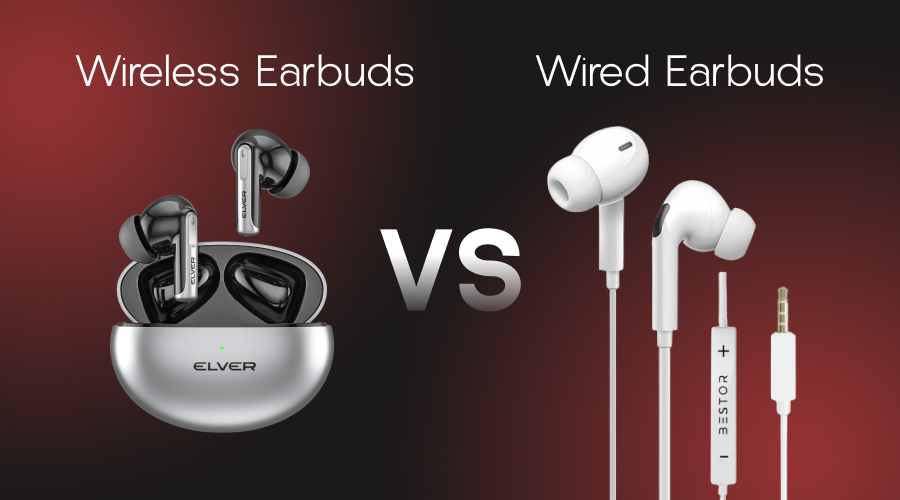
Ever since the introduction of earbuds, the way we listen to music and consume content has changed dramatically. Most modern smartphones now come with Bluetooth technology and some even have completely ditched headphone jacks. All this because of the mass availability of wireless listening devices.
More than wired earbuds, wireless devices have gained immense traction in the past few years. Still, users prefer buying wired earbuds. Both wired and wireless earbuds offer numerous advantages. However, knowing them both closely can help make an informed decision.
In this post, we have outlined some major differences between these two most popular earbuds (wired vs. wireless) to ease your purchase. So, without any further ado, let’s get started…
Wireless Vs. Wired Earbuds: The Main Differences
Here are some of the major differences between wired and wireless earbuds based on different parameters. Check these for yourself to make the best choice. Take a look….
1. Design & Convenience
When it comes to the design and convenience, undoubtedly wireless earbuds stand out. With wireless earbuds you don’t have to bother about the cables. These buds allow you have to complete freedom of movement. The best thing about these buds is that they are easier to use in any situation, whether you are in gym, traveling, working from home or running on track. Wireless earbuds for everyday convenience
Downside of wireless earbuds: If not properly secured, wireless earbuds can easily fall out, especially during workouts or running sessions.
Wired earbuds, as the name says, come with physical cables. Cables tend to tangle while on-the-go, which restrict movement. However, some users still prefer using wired earbuds as they feel more stable and reliable. They are considered best for gaming and long listening sessions.
Downside of wired earbuds: Cables often restrict movement, especially during workouts.
2. Sound Quality
Of course, sound quality is one of the important factors that can influence the decision. When it comes to the best sound quality, wired earbuds are the clear winners. In these buds, audio travels directly through the cable, which eliminate the chances of compression or potential signal interference. This allows for cleaner, richer and more accurate sound reproduction.
Wireless earbuds, on the other hand, may not offer you the similar sound quality as wired buds. However, advanced buds these days include Bluetooth codecs like AAC, aptX and LDAC, providing immersive sound.
3. Latency
Latency is the time lag between an audio signal being sent and heard. When it comes to latency, wired earbuds stand out for nearly zero latency, which makes them ideal for video editors, digital content creators, passionate gamers, musicians and creators especially those using a mobile gaming phone where real-time audio sync is critical for competitive gameplay.
Wireless earbuds have higher latency compared to wired ones. This is because of the time cableless earbuds take for audio to be sent wirelessly. However, many advanced models now come with low latency modes, which users who prefer convenience over other features can opt for.
4. Battery Life & Charging Dependency
As you know, wired earbuds do not depend on batteries, so there is noting to worry about them when it comes to battery. They totally depend on the power of your mobile device. They work as long as your device has power, which makes them incredibly reliable option for travel, long calls, emergency usages and so on.
Wireless earbuds, on the other hand, depend entirely on their internal batteries and charging case. Many brands are now offering wireless earbuds with 4–8 hours of playback, while some premium brands deliver 12 hours of playback with 2-3 recharges. Thes earbuds often take 1 to 2 hours for a full charge. This simply means that forgetting to charge them can leave you stranded without audio. Also, their battery deteriorates with time, leading to reduced usage lifespan.
5. Durability & Lifespan
When it comes to durability and lifespan both wired and wireless earbuds have some disadvantages. For instance, users with wired earbuds often encounter cable damage, loose connectors or internal wire breaks over time. However, if the wire is intact (which is only possible if you take utmost care of it) then you can use it as long as you want.
Wireless earbuds, as you know, often rely on internal battery health and charging case. The battery of a wireless earbud deteriorates with time, reducing its overall lifespan. Moreover, if the charging case is misplaced, you may no longer be able to use your earbuds at all. On average, these earbuds work for 2–3 years at the most.
6. Comfort, Portability & Mobility
Wireless earbuds are comparatively more portable and comfortable options. They are lightweight, compact and pocket-friendly. With no cables attached, you can easily enjoy your favourite music during workouts, traveling and so on.
Wired earbuds, on the other hand, may appear clumsy, especially if the cable tangles pretty frequently. Also, they restrict movement during workouts and running. They are often considered best for stationery long listening sessions.
7. Noise Cancellation & Smart Features
This is where wireless earbuds stand out. Modern wireless earbuds come with advanced features, including Active Noise Cancellation (ANC), ambient sound mode, touch controls, auto-pause & multipoint pairing and voice assistants (such as Siri, Google Assistant and Alexa), making them the best option for users.
Wired earbuds do not often include advanced features, which make them less desirable for users who prefer advanced features. Some premium wired in-ear monitors (IEMs) deliver isolation through passive noise blocking but are not at par with wireless buds’ adaptive ANC.
8. Health & Safety Aspects
On the basis of health and safety, wireless earbuds are often considered hazardous because of the Bluetooth radiation. However, prolonged use of any kind of earbuds (be it wired or wireless) is not considered safe. Prolonged usages may lead to hearing fatigue, ear infection and Tinnitus (ringing noise in ear).
Therefore, it is essential that you be mindful when using earbuds, keep the volume moderate, take regular breaks, keep your buds clean and follow safety measures.
9. Pricing
Wired earbuds are comparatively less expensive. You can enjoy a lot of music or long listening sessions without paying much money and without worrying about battery drainage.
While, wireless earbuds are very costly endeavours, especially the premium ones, such as Apple AirPods Pro.
10. Value for Money
Wired earbuds generally offer exceptional value at low prices. You can enjoy excellent sound quality at a very low cost compared to wireless models.
Wireless earbuds are more expensive endeavours as they include batteries, Bluetooth chips, charging cases and advanced features.
Final Verdict: Which One is Better for You?
Well, the choice of earbuds totally depends on your personal needs, lifestyle, preferences and liking. People who value freedom of movement, smart features, mobility, portability, aesthetic and convenience can consider opting for wireless earbuds.
While the ones who prioritize superior sound quality, zero latency and better value for money, should consider opting for wired earbuds. In the end, the right choice depends on your personal needs, daily routine, comfort and audio expectations. So, choose the one that fits all your requirements well.
The Bottom Line
So, these are the main differences between wireless and wired earbuds. Hopefully, these differences helped you know which earbud is best for you. Each earbuds offer unique advantages. For instance, the wired ones offer outstanding sound quality and nearly-zero latency, which makes them best for creators, gamers, musicians, audiophiles and digital content creators.
Wireless earbuds offer much freedom and convenience and come with cutting-features, such ANC, voice assistant and others, making them best choice for workouts, conference calls, travel and so on.