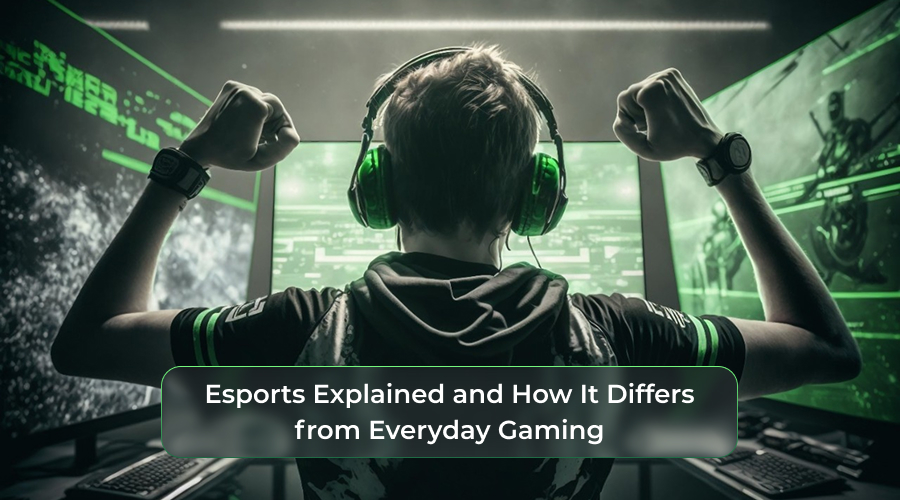
Esports is organized competitive play with rules, schedules, prize pools, and media coverage. Matches run on tournament servers, results enter official records, and careers grow around performance. Everyday gaming centers on personal enjoyment and flexible pacing. The difference is not just skill level. It is structure, accountability, and a shared stage where outcomes carry real stakes.
Public curiosity often starts with simple questions such as what is 4rabet when browsing sports style platforms and odds pages. Interest in markets flows from the same core idea that drives esports itself. A match has a clear start, a measurable result, and a transparent path from action to outcome. That transparency is what turns casual play into a spectator sport and a professional field.
What Defines an Esport
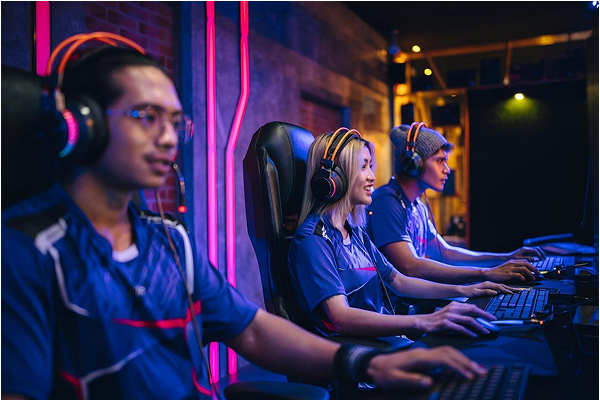
A title becomes an esport when competitive integrity can be protected. Stable rules, server side anti cheat, and predictable balance patches set the base. Broadcast tools and observer modes make action readable. Tournament operators coordinate qualifiers, playoffs, and finals. The scene adds coaches, analysts, referees, and medical support. A season finds rhythm and the audience can follow storylines across months.
Prize money and salaries matter, yet the ecosystem relies more on reliable calendars and fair oversight. Teams plan training blocks, content days, and recovery windows. Venues prepare network redundancy and stage logistics. Publishers collaborate on update timing so the meta remains understandable. When the framework holds, players and fans invest time with confidence.
Core building blocks of an esport
- Rule consistency:- Patch windows, map pools, and format rules change on schedule so preparation is real
- Integrity systems:- Anti cheat, match server logs, and referee review protect outcomes from suspicion
- Spectator clarity:- Observer tools, mini maps, and data overlays keep the action readable for newcomers
- Talent pipeline:- Open qualifiers, academy leagues, and collegiate paths connect fresh talent to the top tier
- Medical and mental support:- Health professionals monitor workload to prevent burnout and repetitive strain injuries
Where Everyday Gaming Shines
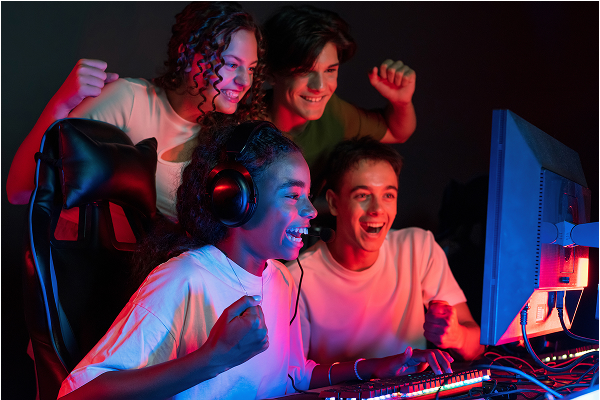
Casual gaming values freedom. A session can be ten minutes or a late night marathon. Experiments with builds and house rules keep discovery fresh. Social play among friends sets tone and allows a slower pace. Many players never aim for a ranked ladder and still enjoy deep engagement with stories and mechanics. The point is relaxation, not performance under pressure.
Hardware choices reflect that difference. A quiet couch setup, a wireless controller, and the right Gaming Accessories enhance comfort and immersion. Esports often demands a tuned desktop with low input latency, fast monitors, and uniform peripherals. One world favors feel and convenience. The other world seeks control and repeatability.
Everyday gaming strengths
Flexible goals:- Progress can mean exploration, crafting, or a single well earned achievement
Creative freedom:- Mods and community modes extend life without formal approval cycles
Social ease:- Friend groups set rules, pace, and restart points without outside pressure
Low barrier to entry:- Any device with a stable connection can host a satisfying session
Personal rhythm:- Breaks and returns happen when energy allows rather than when a schedule demands
Training and Performance
Esports training is closer to traditional sport than many assume. Practice blocks target specific mechanics and decision loops. VOD reviews analyze positioning and tempo. Scrimmages test strategies against varied opponents. Nutrition, sleep, and strength routines support focus. Feedback cycles are short and evidence driven, which keeps improvement visible and motivation high.
In casual play improvement often follows curiosity. A player learns a new character, tries a fresh map, or joins a weekly session with friends. The reward is variety and shared laughter. Pressure remains low, which protects enjoyment across busy weeks.
Business and Media
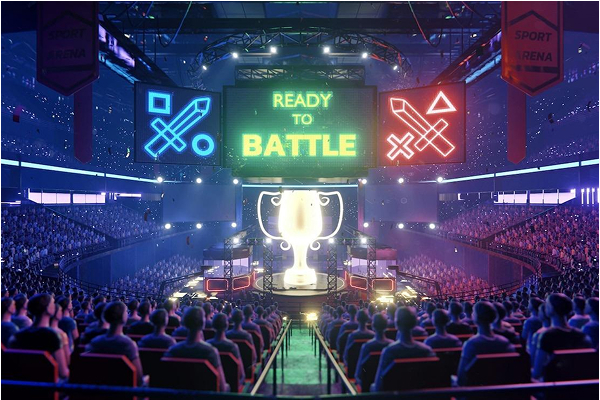
Esports builds a media stack of broadcasts, highlights, and creator content. Rights deals, sponsorships, and merchandise fund operations. Cities host arenas and fan events. Brands seek stable audiences and clear values. Success depends on trust. Transparent rulings, clear schedules, and respectful storytelling keep communities healthy.
Casual gaming fuels a different economy. Single player hits, indie experiments, and cozy multiplayer loops sell on comfort and novelty. Word of mouth and creator streams drive discovery more than brackets and trophies. Both worlds benefit from good games. The delivery and incentives simply differ.
How to Choose a Personal Path
A newcomer can sample both modes without friction. Start with casual play to learn controls and find favorite genres. Try ranked ladders in small doses to test appetite for pressure. Attend a local viewing party or watch a major final to feel the live energy. If the structure and pace feel exciting, explore amateur tournaments and community leagues.
Teams and organizers welcome volunteers in production, social media, and event ops. These roles offer a low risk way to learn how the scene works. Over time a clear preference emerges. Some enjoy the freedom of open play. Others thrive on schedules, scouting reports, and measurable goals. Both choices are valid and can coexist in a weekly routine.
Final view
Esports turns play into competition with rules that protect meaning. Everyday gaming turns play into personal time with rules that bend for fun. One asks for consistency and offers a public stage. The other offers comfort and space for discovery. Whether you compete on a PC setup or test your reflexes on the latest Gaming Phones, both paths celebrate the joy of play. Understanding both helps set expectations and prevents unfair comparisons. With that clarity, time with games becomes easier to plan and easier to enjoy across any week.