Camera phones have become very popular in the past few decades. More and more users now look for phones that come with advanced camera setups. That is why brands these days market their devices with advanced camera features. Among so many features, incredibly high megapixel counts are pretty popular. Smartphones now include 108MP, 200MP or even higher-resolution cameras. At first glance, it sounds impressive. And often people get influenced by this when purchasing a new device. But the question here is – does a 200MP camera actually mean better photos?
The quickest answer to this is Not at all!
Megapixels do play a role in photography, but they are just a part of a big picture. The truth is – a smartphone with a 200MP camera does not automatically make the photos better. There are several other factors that come into play when it comes to taking great photos. If you want to know why it happens, then read this post.
Here, we will talk about it in detail. So, without any further ado, let’s get started…
Understanding 200MP – What Does It Actually Mean?
The term “MP” is short form for megapixels. One megapixel equals one million pixels. This means that a 200MP camera sensor can capture up to 200 million pixels in a single image. More pixels generally mean more detail. When you zoom into a photo or print it at a very large size (billboard sized), a higher-resolution image can retain more clarity.
But in reality, most people don’t print billboard-sized photos. Most users keep their images stored in their smartphones, tablets and laptops. Besides that, they share these pictures on their social media handles. When you see these pictures on smaller screen, you will hardly be able to notice a difference between a picture taken with a 50MP camera and a 200MP camera. This is why megapixels alone don’t determine how good a photo looks.
What Makes A Picture Worthwhile?
Great photos depend on much more than just megapixel count. Here are some of the key factors that truly make a difference. Take a look…
1. Sensor Size Matters More Than You Think
Yes, it is the sensor size that determine the quality of image.
Imagine the camera sensor as a solar panel. A larger solar panel can capture more sunlight and generate more energy than a smaller one. In the same way, a larger camera sensor can capture more light, which helps improve image quality. A larger sensor captures more light that help produce brighter, cleaner and more detailed photos.
Many smartphones come with increased megapixel count but the sensor size remains the same. That is the reason most users do not notice a significant difference in everyday photos. This happens because the sensor fits more pixels into the same physical space. As a result, each individual pixel becomes smaller and captures less light. When less light reaches each pixel, photos often become noisier, especially in indoor environments or at night. That’s the reason many flagship phones that come with lower megapixel counts often outperform phones boasting much higher resolutions.
2. Bigger Camera Pixels – The Hidden Advantage
While megapixel count gets most of the attention, bigger pixels are often what improve photo quality. This is because larger pixels gather more light, which leads to better colors, improved contrast and reduced noise. Larger pixels turn out to be more advantageous in challenging lighting conditions.
Often 200MP cameras combine multiple pixels into one larger pixel through a process called pixel binning. Instead of using all 200 million pixels individually, the camera merges groups of pixels together to create a lower-resolution image with better light sensitivity. For instance, a 200MP sensor may produce a photo that is 12.5MP or 50MP.
3. Image Processing Makes the Biggest Difference
The real magic happens through image processing that most people do not bother about when they buy a phone. Know that smartphone photography in this era relies heavily on software. The moment you capture a photo; your phone automatically improves it using software. Everything, from lighting to colors, and details adjusted to make the picture look better. And all this happens in the background. This process happens in a fraction of a second.
That’s why you notice two phones using similar camera hardware producing completely different results. And that’s the reason experts often suggest to invest in a well-optimized 50MP camera than a poorly optimized 200MP camera. Software often makes a larger difference than the camera’s megapixel count. More and more brands are not investing heavily in image processing technologies.
4. Lens Quality Also Matters
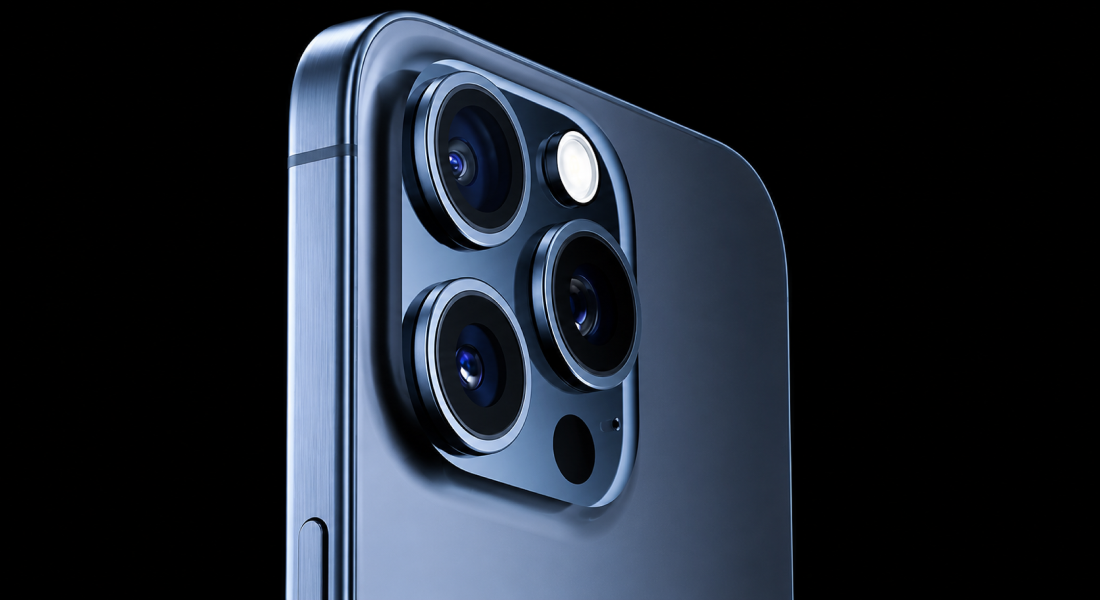
Then comes the lens quality! A high-resolution sensor can only capture what the lens delivers. If the lens quality is not good, the sensor won’t be able to make the most of those megapixels. That’s the reason pictures produced by flagship devices are always better. Flagship mobile phones include high-quality lenses with improved coatings and optics, resulting in sharper and more natural-looking photos.
5. Low-Light Performance Show a Camera’s Real Capabilities
Higher megapixel counts don’t automatically result in better photos, low-light performance plays a much bigger role in overall image quality. Night photography is where sensor quality, pixel size, image processing and lens quality all come together. A phone with a large sensor and excellent software can capture brighter, cleaner and more detailed night shots than a phone with a higher megapixel count but weaker hardware. That’s why experts suggest to invest in a device with stunning low-light photography.
When Do More Megapixels Actually Matter?
More megapixels matter only when you want an improved digital zoom quality or want to crop a picture. This means that a high-resolution sensor can be a good option for people who frequently edit photos or need extra detail for large prints. Other than that, a higher megapixel number does not only automatically guarantee better image quality.
The Bottom Line
So, this is all about why a 200MP camera doesn’t mean better photos. A 200MP camera may sound impressive on paper, but does not automatically guarantee better photos. You need to focus on factors such as sensor size, pixel size, lens quality, image processing and overall camera optimization when buying a phone specifically for photography. A phone with 50MP cameras can consistently deliver better photos than devices equipped with 200MP sensors. So, if you plan to buy a camera phone in 2026 or later, then don’t just get enticed with higher megapixels, instead look into the factors that contribute to a great image.
Besides that, also look at camera reviews, sample photos, low-light performance and overall image quality, which is why doing a proper Camera Phone Comparison becomes so important before making a decision.