


Understanding the concept of a proxy server can feel overwhelming at first, but once you break it down, the idea becomes much clearer. Think of a proxy as a middleman in your digital conversations. When you request a web page, instead of connecting directly, your request goes through another computer – the proxy server. This server then communicates with the website on your behalf and sends the response back to you. By acting as an intermediary it brings flexibility, control, and security to how you interact with the internet.
How a Proxy Server Works
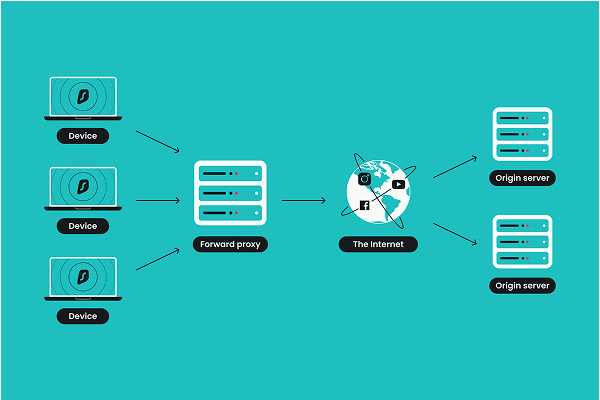
At its core, a proxy server is a bridge between your phone device and the internet. When you type a web address into your browser, the request doesn’t travel directly to the website. Instead, it first reaches the proxy, which then forwards the request to the destination. Once the website responds, the proxy receives the data and sends it back to you.
This extra step might sound unnecessary at first, but it serves a valuable purpose. By inserting itself in the middle of the communication, a proxy can manage traffic, mask your IP address, and even filter data. Imagine it as a receptionist at an office: you don’t walk into every department directly; the receptionist directs your request to the right place and ensures you only get what you need.
Why Proxy Servers Are Important
Proxy servers are more than just technical tools; they are enablers of safer and smarter online activity. Businesses use them to protect sensitive data, regulate employee internet access, and balance network traffic. For individuals, proxies can add a layer of privacy by hiding their real IP addresses. It’s like wearing sunglasses on a bright day – not only do they protect your eyes, but they also keep others from seeing exactly where you’re looking.
Another important role of proxies is content delivery efficiency. Some proxies store copies of frequently accessed web pages, so when multiple users request the same page, it loads much faster. This reduces internet bandwidth usage and improves user experience, especially in large organizations.
Types of Proxy Servers
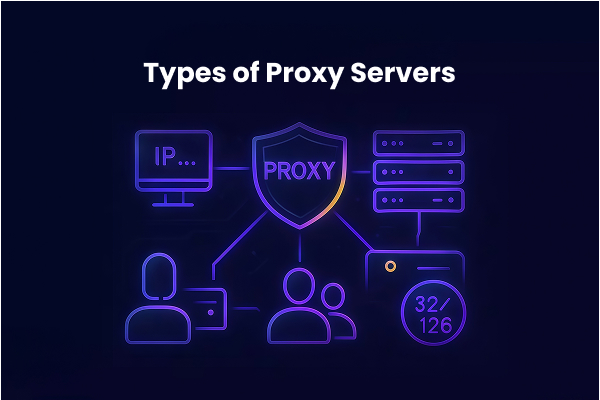
Not all proxies are created equal. They come in different forms, each with unique strengths and purposes. Understanding these differences helps you choose the right tool for your needs.
Here is a simple table that highlights the main types of proxy servers:
| Type | How It Works | Best For |
|---|---|---|
| Forward Proxy | Routes requests from a client to the internet | Businesses managing internal traffic |
| Reverse Proxy | Handles requests on behalf of servers | Website security and load balancing |
| Transparent Proxy | Identifies itself but still forwards requests | Basic filtering or monitoring |
| Anonymous Proxy | Hides user’s IP address | Privacy and security |
| Residential Proxy | Uses IP addresses from real devices | Reliable data gathering and research |
This variety shows how proxies are versatile tools that adapt to different situations, from corporate IT management to individual browsing.
Practical Benefits of Using a Proxy
Let’s make the idea more relatable. Imagine you’re shopping online, comparing prices across multiple websites. Without a proxy, your repeated visits might be flagged as unusual activity, slowing your searches or even blocking access. A proxy can help distribute these requests so they appear natural, allowing you to gather information without interruptions.
For companies, proxies can serve as guardians of productivity. Employers can configure proxies to block harmful or distracting websites while keeping track of network activity. Schools and libraries also rely on them to create safe digital environments. And on a larger scale, data centers use proxies to balance traffic, ensuring no single server gets overwhelmed.
Here are some key benefits of proxies summarized in a list:
- Improved security through IP masking
- Faster access to frequently visited sites
- Enhanced privacy for personal or corporate use
- Traffic load balancing for large organizations
- Controlled access to online resources
Choosing the Right Proxy Provider
Selecting the right proxy service can make a world of difference. While free proxies exist, they often come with hidden risks, such as unreliable connections or poor security standards. If you are serious about online efficiency and safety, it’s worth considering a professional provider that specializes in high-quality solutions. For example, a trusted option is proxy, offering flexible services with a global reach.
When choosing, ask yourself: Do you need anonymity, speed, or large-scale traffic management? Your answer will help determine whether you should look for residential proxies, reverse proxies, or another type. Always consider reliability, customer support, and scalability before making a decision.
Final Thoughts on Proxy Servers
So, what is a proxy server in simple terms? It’s the digital middleman that connects you to the internet more securely, more efficiently, and often more intelligently. Whether you are an individual looking for privacy or a company needing control over network traffic, proxies provide a versatile solution. They are not just technical jargon but practical tools woven into the very fabric of modern digital life.


