

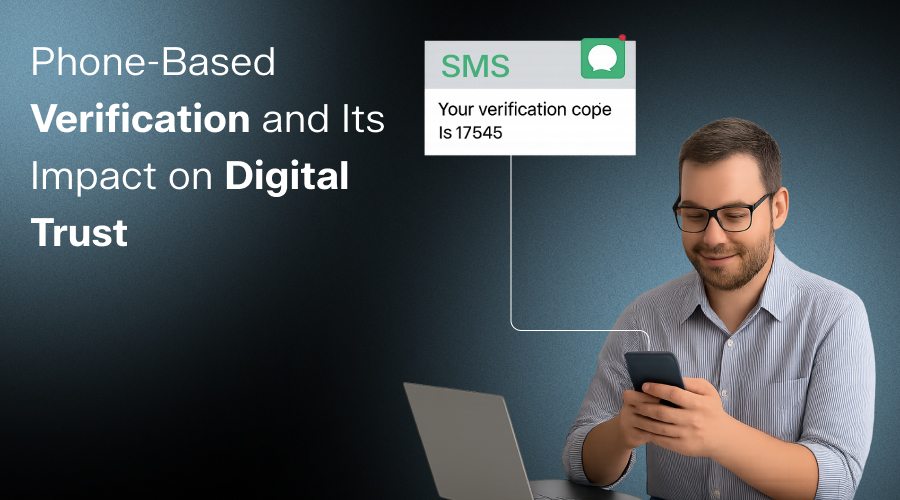
Trust is the invisible foundation of modern online platforms. Users expect services to be accessible, secure, and resistant to abuse, while platforms must protect themselves from fraud, automation, and misuse. One of the most common tools used to establish this trust is phone-based verification. Although it often appears as a simple step in the registration process, its impact on digital identity and data exposure is far more significant than many users realize.
The Role of Phone Numbers in Online Verification
A phone number is not just a communication channel tied to a mobile phone device. In digital systems, it functions as a stable identifier that can connect accounts, sessions, locations, and behavioral patterns. Unlike passwords or temporary tokens, phone numbers tend to remain unchanged for long periods of time. When a user provides the same number to multiple platforms, that identifier becomes distributed across databases, logs, and third-party services, forming a long-lasting digital trail.
Challenges of Using Phone Numbers for Verification
This persistence creates both technical and privacy challenges. Many services request phone numbers for one-time verification but continue to store them indefinitely. Over time, these stored numbers become part of backups, analytics pipelines, and monitoring systems. Each additional copy increases the potential impact of a breach and expands the surface area for misuse.
The Security Risks of Phone Numbers
From a security perspective, phone numbers are highly attractive targets. Leaked phone number datasets are frequently used for SMS phishing, impersonation, and targeted fraud. Because text messages often feel more personal and urgent than email, attackers can exploit this channel with greater success. The more widely a phone number is shared, the higher the probability that it will eventually be abused.
A Shift in Perception: Rethinking Phone Verification
As awareness of these risks grows, users are becoming more selective about how they interact with verification systems. Rather than treating phone verification as a harmless formality, many now recognize it as a data-sharing decision with long-term consequences. This shift in perception is driving demand for verification approaches that limit unnecessary exposure while still meeting security requirements.
The Role of Services Like smspva.com in Controlled Verification
Platforms such as smspva reflect this change by focusing on controlled access to verification workflows instead of permanent identity binding. This allows users to complete required authentication steps without embedding their primary phone number into every service they use. The result is a more balanced relationship between access and data responsibility.
Benefits for Professionals and Everyday Users
The issue is particularly relevant in professional and technical environments. Developers, testers, and security analysts often create accounts for short-term tasks such as validating onboarding flows, testing rate limits, or reviewing system behavior. Using personal phone numbers in these scenarios introduces avoidable risk and complicates data governance. More flexible verification models support these workflows without expanding long-term identity exposure.
There is also an operational benefit for everyday users. Many platforms continue sending alerts, reminders, or promotional messages long after verification is complete. Over time, this can clutter personal inboxes and make it harder to distinguish legitimate security notifications from malicious attempts. Separating verification-related traffic from personal communication channels improves clarity and reduces confusion.
Data Minimization and the Future of Phone Verification
From a broader perspective, phone verification highlights an important principle of modern digital design: not all identifiers need to be permanent. Treating verification data as temporary and purpose-specific aligns with data minimization practices and reduces long-term risk for both users and platforms.
The Future of Phone-Based Verification
As online ecosystems continue to grow, phone-based verification will remain an important security mechanism. However, its role is evolving. Instead of acting as a permanent anchor for digital identity, phone numbers are increasingly being treated as functional tools with limited scope. This shift supports stronger privacy protections while preserving the trust that verification systems are meant to provide.
Conclusion: The Need for Smarter Verification Practices
In a digital environment where data exposure carries real consequences, rethinking how phone verification is implemented is no longer optional. Smarter, more controlled approaches allow users to access online services confidently while maintaining greater control over their digital footprint.


