

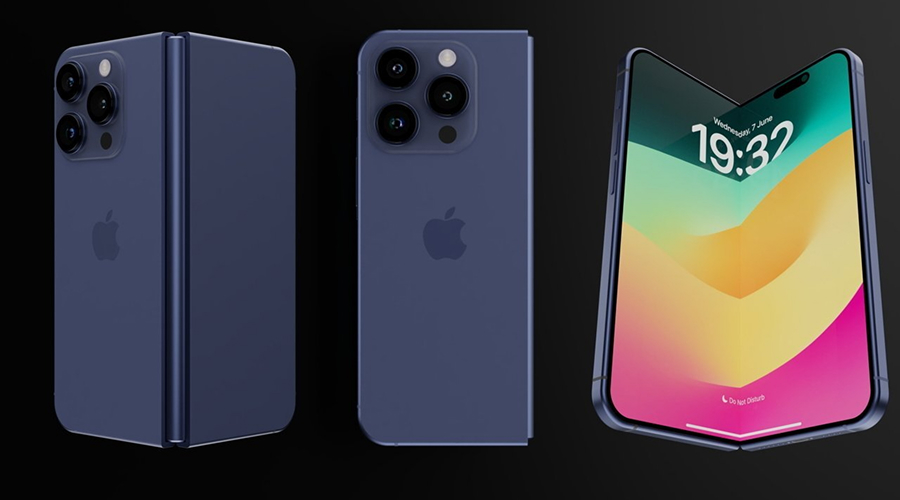
Apple, with its clean and super-refined design approach, is about to enter the foldable smartphone market. Its next-generation foldable iPhone, expected to be introduced later in 2026, will have an internal panel that measures 7.8 inches and a smaller 5.5-inch cover screen. These dimensions appear to be small initially compared to bigger foldables such as, Samsung Galaxy Z Fold 7, which has an inner screen size of 8 inches and a cover size of 6.5 inches.
Even though Apple is a bit late to the foldable market, the company hopes to create an impression with its design elegance and software refinement.
The Display: Smaller But Sleek
Inner Display:
According to the leaks from various sources, it is indicated that the foldable iPhone will include an internal display with a size of approximately 7.8 inches. Others have put the range between 7.74 and 7.7 inches a bit narrower, though all agree that it will be less than the 8-inch size of competitors, such as the Samsung Galaxy Z Fold 7. The move can be strategic on the part of Apple, with the priority given to portability and easy one-handed use once unfolded.
The screen is also said to consist of a 4:3 aspect ratio, as seen on iPads, to transform into a more tablet-like experience when open. This ratio will ensure comfortable reading, note-taking, and multitasking despite the modest size.
Outer Display:
The external screen of the foldable iPhone will be 5.5 inches, which is smaller than many of the other foldables. In comparison, the Galaxy Z Fold 7 features a 6.5-inch cover display, whereas the Pixel Fold provides a screen of 6.3 inches. The smaller outer panel of Apple might be making the device more portable and usable during short communications such as messaging, checking notifications, or calling. This aligns with the Apple brand’s philosophy of combining convenience with premium usability.
It is also rumored to have sharp resolution and high brightness, despite its size; this makes it visible even outdoors. Apple might fine-tune iOS so that this cover screen is as useful as the main display, with the usual typical activities.
Comparison with Competitors:
Compared to competitors, the proposed foldable of Apple will have raw figures:
- Samsung Galaxy Z Fold 7: The 7 Galaxy Z Fold provides approximately an 8-inch internal screen and a 6.5-inch exterior screen
- Google Pixel Pro Fold: Android foldables like the Google Pixel Fold have a screen size between 7.9 to 8.1 inches on the inside.
This difference indicates that Apple is not after screen space. Rather, the brand is trying to perfect a balanced device, big enough to provide true immersion content, and small enough to be both comfortable and mobile. Most of the consumers might not find a half-inch quite noticeable, especially when Apple provides the best build quality and an optimum software experience.
Overview of Key Screen Features
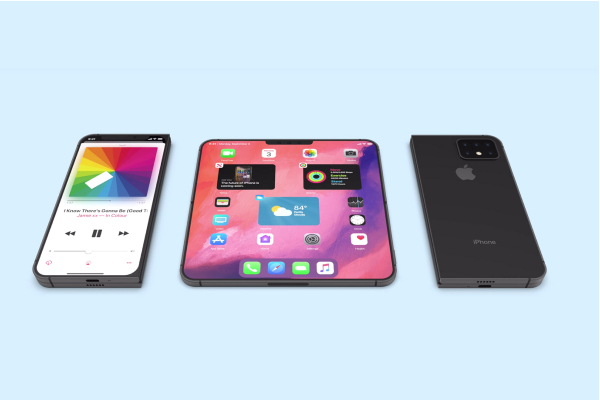
| Category | Details |
|---|---|
| Inner Screen | 7.7–7.8″, 4:3 ratio |
| Outer Screen | 5.5″, high resolution |
| Thickness | 4.5 mm open and 9–9.5 mm folded |
| Launch Timing | Late 2026 |
| Price | $1,800–$2,500 |
| Key Features | Crease-free display, Titanium build, Touch ID, A20 chip, large battery |
| Pros | Sleek design, seamless software, Apple ecosystem |
| Cons | Smaller display, high price, late arrival |
How Apple Can Make a Smaller Display Work
Crease-Free and Ultra-Thin:
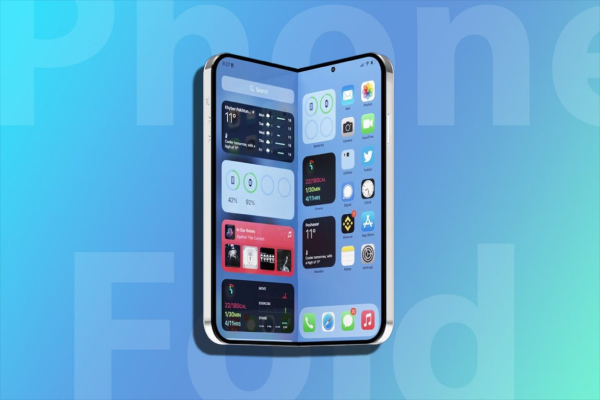
Leaks suggest that Apple is working on a crease-free display, which would be effective through a laser-drilled metal plate that spreads the stress around the hinge point of the phone. The new technology, provided by Samsung Display, may lead to one of the flattest foldable displays in the market.
When opened, the device will be only 4.5 mm thick and 9 to 9.5 mm when folded up, making it even thinner than its leading rivals. When combined with soft materials like titanium, this can make the foldable iPhone a more comfortable mobile device to hold and handle.
iPad-Like Aspect Ratio:
The 4:3 inner display ratio will be a big difference from the majority of foldables, which prioritize tall and narrow screens. This decision reflects the size of the iPad and makes the product more apt to be read, occupies half the screen, multitasks, and plays videos without huge black spaces.
In working, a 4:3 aspect ratio is also capable of presenting more information down the page, so less scrolling is required. It is also helpful for creative applications, drawing, note-taking, and photo editing.
Sophisticated Software for Foldables:
Apple can likely customize iOS 27 to foldable phones and add some elements of iPadOS. The possibility is to include advanced multitasking, resizable application windows, and a dynamic home screen, which can be adjusted depending on the folding position. A smooth transfer of apps will make the transition between the outer and inner screens invisible and intuitive.
For example, when the phone is unfolded, the document opened on the cover screen might expand. Apple can also streamline its ecosystem connection and make it easy to switch between apps on iPhone, iPad, and Mac.
Specifications and Design Highlights
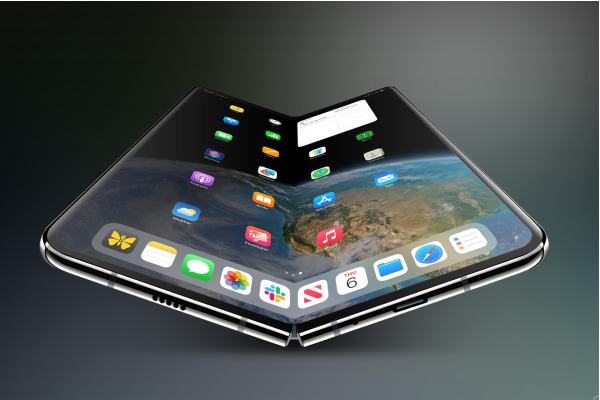
- Display Technology: Inner panel likely incorporates an LTPO OLED with a high refresh rate panel (up to 120Hz) and supports a smoother scrolling experience with responsive touch performance to enhance gaming, video, and multitasking experience.
- Screen Durability: Apple is planning to use ultra-thin glass (UTG) backed with protective coatings to ensure superior scratch resistance compared with plastic substitutes and a more glass-like sensation.
- Outer Screen Functionality: A Small 5.5-inch OLED cover screen can be used to send messages, make calls, and preview applications without expanding the gadget itself. Similar to a popular mobile phone, the outer display is expected to be optimized for quick access and convenience, so users won’t always need to unfold the device.
- Hinge Mechanism: Possibly using advanced hinge design like the Apple MacBook hinge engineering, designed to minimize the crease effect and to ensure it can withstand over 200,000 folds without performance degradation.
- Processor: Most likely, on the A18 Pro chip, or a new-generation M-series processor, which will be able to achieve flagship performance, with AI-enhanced executable and increased power efficiency.
- Camera Setup: The dual or triple-lens system with enhanced computational photography and a possible periscope zoom lens, which will specialize in folded and unfolded shooting.
- Battery Life: Battery is estimated at 4,200-4,500 mAh and optimized by Apple using their battery technology, and is aimed to provide a full day of usage even with supersized displays.
- Weight and Thickness: It will be smaller and thinner than existing foldable devices, though most likely with less weight than the existing foldable competitors, which will enhance the comfort when folded and unfolded.
- Material Quality: An aluminum or titanium high-end frame, scratch-resistant glasses, and waterproof seals have also been implemented to achieve an IPX8 waterproof level.
- Software Experience: A modified copy of iOS that is dynamic and adapts itself based on the folded or unfolded phone would give improved multitasking and integrate features of continuity.
Premium Strategy and Launch Timing
Apple seems not to be in a hurry to compete with Samsung and other brands, so Apple will take its time optimizing its foldable prior to release. The majority of leaks are currently suggesting it will launch in late 2026 and possibly alongside the iPhone 18 Pro line. This slow-release strategy enables Apple to test the market without incurring the initial hardware problems experienced by some first-generation foldable devices. With the late entry, Apple will have the chance to learn from the errors of its competitors and produce a product that is high in terms of both durability and performance straight away.
Conclusion
Apple has already created a sensation in the technical world with the announcement of its first foldable iPhone. Although there are rumors that it will launch with an arguably smaller screen compared to most of the competitors, Apple appears to be considering usability, durability, and top-notch build quality rather than going after screen size records. This plan goes in line with Apple’s traditions of user experience and design aesthetics.


