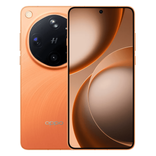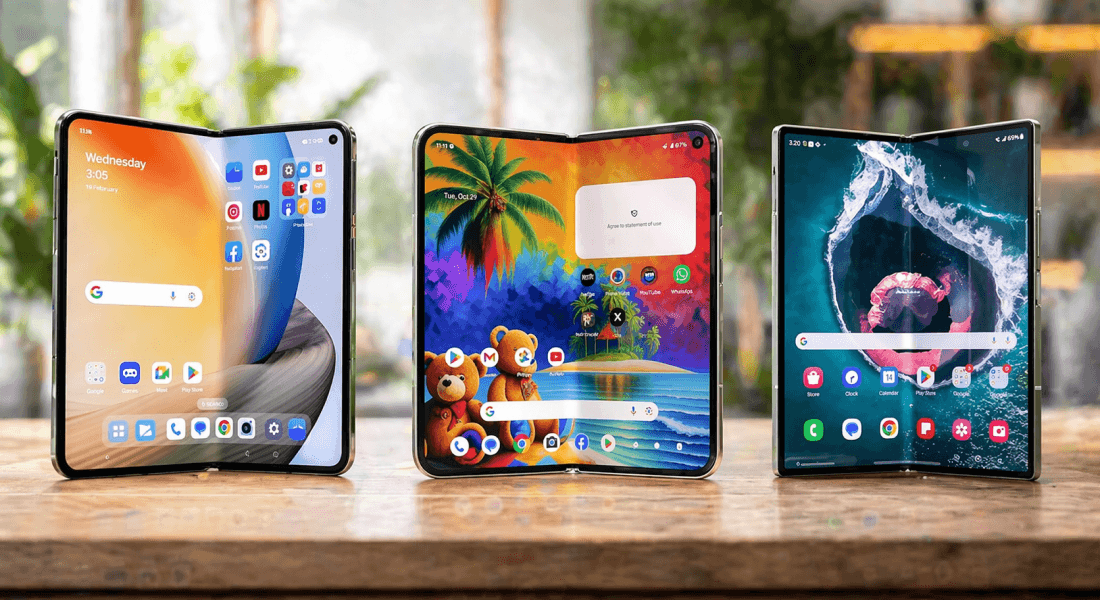
Foldable Smartphones have generated great excitement ever since they were first introduced into the Smartphone world. After many years of smartphones looking the same slab design, these devices offer new options for larger screen displays, entirely new ways to use your phone and have a very futuristic appearance.
The compelling part is that these devices all use new technology (flexible OLED displays and sophisticated hinge technologies) that enable these devices to perform in a way that would seem impossible until now, often expanding from a compact device into something closer to a 7 inch smartphone form factor.
The goal of these devices is to achieve the portability of a smartphone and still give the user an experience of using a larger display, which has been a huge challenge for traditional smartphones.
So, the real question is, will foldable smartphones be the future or will they just be a very expensive novelty? Let’s see how everything breaks down!
What Are Foldable Smartphones?
Devices referred to as “foldables” use flexible display technology that allows users to fold or twist their phones, transitioning from one shape or size to another using a combination of a flexible OLED panel and a hinge system. When unfolded, they effectively function like a 7 to 8 inch mobile, giving a tablet-like viewing experience.
The idea is very straightforward:
- A compact phone, when folded
- A larger screen (like a tablet) when unfolded
The solution to this issue has long been the user base’s desire, a need for an easy-to-use device that offers portability and a large display in one device.
Types of Foldable Designs (Flip vs Fold)
Foldable phones mainly come in two designs:
1. Flip Phones (Clamshell)
- Fold vertically (like old flip phones)
- Compact and pocket-friendly
- Smaller outer screen for quick tasks
- Best for: Style, portability, casual users
2. Fold (Book-Style)
Open like a book into a tablet-sized screen
Better for multitasking and productivity
Usually more expensive
Best for: Work, gaming, content consumption
There are many benefits to using a mobile device, but they will differ based on who is using it.
Are Foldables More Productive?
Yes, only for some users.
Benefits of Using a Foldable Phone:
- Multitasking: You can run multiple apps side by side, thanks to the two displays.
- Increased Screen Size: Works great for editing photos, reading e-books and writing documents.
- Combination of Phone & Tablet: The ability to use one device as both a phone and a tablet.
Examples of users that would benefit from a Foldable Phone:
- Students
- Business Professionals
- Content Creators
These multi-function devices will let you perform more tasks without switching devices and are one of their major benefits.
But There’s a Catch:
- Fewer apps are currently being built for large form-factor folding smartphone devices
- Some apps may appear to have expanded or distorted images.
- So while increased productivity is possible on paper, it depends on the software to support it and the apps will ultimately determine how productive you are.
Common Problems with Foldable Phones
Although their designs are revolutionary, there are numerous challenges that currently exist with experiencing foldable devices for everyday use and long-term durability.
1. High Price
Foldable phones are far more expensive than traditional cellphones. The cost of an upper-tier foldable device can often be double that of an upper-tier standard-sized cell phone. This has resulted in foldable devices becoming a leisure product rather than a mass-market product.
2. Durability Concerns
The unique hinge mechanism that allows a foldable cell phone to fold is a mechanical part that has a finite lifespan. Furthermore, because they have a flexible screen, they are much more fragile than a standard glass screen and the dust/debris can damage the hinge and possibly reduce the overall life span of the device.
Therefore, users should treat their devices with care to avoid needing to pay for extensive repairs to their devices.
3. Visible Screen Crease
Depending on how much of a foldable cell phone’s display area is used whether for reading, browsing, or enjoying the Best Games For Foldable Devices the crease that develops along the folding section of the screen can be either easy or difficult for users to overlook.
The crease that results from using folding display technology cannot be completely eliminated, but manufacturers are continuing to make design improvements to reduce its visibility and overall impact on the user experience.
4. Bulk and Weight
The fact that foldables are thicker and heavier than many other smartphones due to their additional screen layers and hinge mechanisms limits the comfort for users over time compared to those users who are used to using a very light, thin Device.
5. Battery Limitations
The added amount of screen on larger foldables will also create the need for more power usage; examples of this include having two displays on a foldable (dual display); or multitasking on a foldable (in that this uses more battery).
Therefore, it may require more frequent charging than traditional smartphones, which can get cumbersome for those who are heavy users.
6. Software Optimization Issues
Not all applications were created with foldable layouts in mind, which can create an issue where some applications don’t appear stretched and/or are glitching out or have a bad layout on the larger or more flexible screen.
This type of limitation will continue until applications have been optimised by developers for use on foldable devices. Thus, until developers have completely optimized their apps for foldable devices, it is clear that software support is a significant limitation.
User Experience: What Do People Say?
Opinions of users on Foldable devices vary – and that’s a good thing!
Some Common Positive Feedback from Online Communities from Reddit:
➢ “If you have the money and don’t care about the crease, then yes.”
➢ “You’re paying for the convenience… not just a gimmick.”
➢ “Still expensive, durability is always a question.”
Common Positive Feedback:
- Futuristic and Unique
- Multitasking
- Tablet Replacement
Some Common Complaints:
- Costly
- Fragile Compared to Standard Phones
- Limitations Associated with Day-to-Day Usage
Overall opinion of users is generally genuinely positive, but still a bit cautious.
Are Foldables Just a Trend or Here to Stay?
This is where things get interesting.
Signs They’re the Future:
- Major brands are investing heavily
- Technology is improving rapidly (better hinges, thinner designs)
- Innovations like tri-fold phones are emerging
- Expected strong market growth in the coming years
More well-known companies (e.g., Apple) preparing to enter this market will help transform Foldables into a mainstream device type.
Signs They Might Be a Gimmick:
- The market is very small (1% – 2% share) right now.
- The price point is very high, which will limit a lot of
- Consumers are not purchasing.
The Reality:
Foldables will not be a Gimmick! They are on their way to becoming mainstream!
Currently in a transitional state:
- In the past (Experimental & Non-Durable)
- Currently (High-End Niche Product)
- In the future, if costs are reduced and durability increases, they could become mainstream products.
Conclusion
Foldable devices represent a meeting point between being novel and practical. However, they do not represent the future yet.
For tech enthusiasts & power users: Worth it
For average users: Still optional
Foldables give us something new with their different ways to use our phones due to being flexible, but until prices drop, become durable and (hopefully) improve in performance, they will remain high-end and exclusive products instead of mass-market products.