Back in 2015, I waited 20 minutes for a movie to download before a flight. Last week, I grabbed an entire season of a show in under three minutes. That’s not just better internet – it’s a complete overhaul of how wireless networks operate.
With 5G connections hitting 1.9 billion users worldwide, we’re watching the biggest shift in mobile technology since smartphones went mainstream. And no, this isn’t another “5G causes cancer” article (it doesn’t) or breathless hype about download speeds.
The Technical Leap Nobody Explains Properly
4G was revolutionary because it ditched old-school circuit switching for an all-IP approach. Your mobile phone could pull 100 Mbps while walking, or hit 1 Gbps if you stood still next to a tower. Not bad for technology from Obama’s first term.
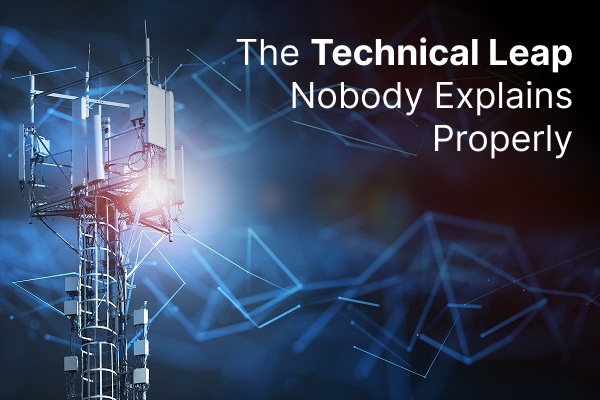
But 5G works differently. Engineers combined millimeter wave frequencies (way up at 24-100 GHz) with regular sub-6 GHz bands. Why both? Because millimeter waves are fast but terrible at going through walls, while lower frequencies travel far but carry less data. Using both is like having a Ferrari and a pickup truck – different tools for different jobs.
Network slicing might be the coolest innovation nobody talks about. Carriers can split one physical network into dozens of virtual ones. Your neighbor’s Netflix gets one slice, your work videoconference gets another, and the traffic lights down the street get their own dedicated channel. Everything runs smoother when traffic doesn’t compete.
What You Actually Get (Not the Marketing BS)
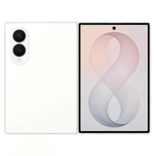
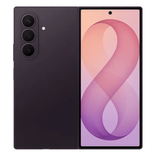
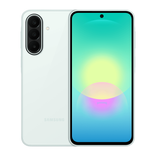
Sure, Verizon loves bragging about 20 Gbps speeds in their labs. Back here in reality, most people see 150-200 Mbps on 5G. Still beats the pants off 4G’s typical 20 Mbps though, especially on an upcoming phone designed to fully support mid-band and mmWave 5G. Still beats the pants off 4G’s typical 20 Mbps though.
Upload speeds jumped from 15 Mbps to around 75 Mbps – finally, you can share videos without watching that progress bar crawl. Latency dropped from 50 milliseconds to about 10. Doesn’t sound like much until you realize that’s why your video calls stopped looking like badly dubbed kung-fu movies.
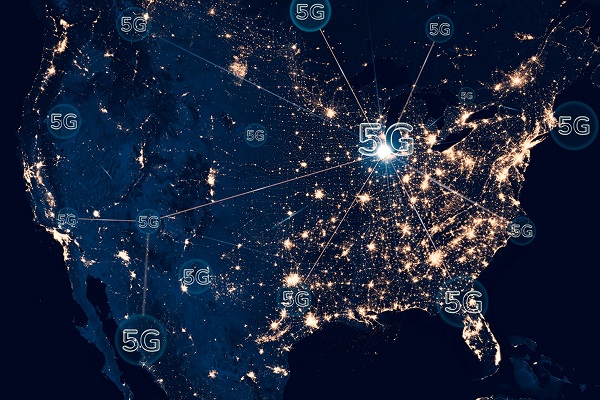
Want to know something wild? A single 5G tower handles a million devices per square kilometer. 4G topped out at 100,000, which explains why concerts and sporting events used to murder your connection.
Security Gets Weird with Better Networks
5G packs military-grade 256-bit encryption, and the network itself verifies your phone’s identity before connecting. Network virtualization means your TikTok scrolling stays separate from your mobile banking. All good stuff.
Yet more connectivity means more problems. Every smart toaster and connected doorbell becomes a potential security hole. That’s why savvy businesses buy mobile proxy usa services – not because they’re doing anything shady, but because anonymizing mobile traffic keeps competitors from snooping on their operations. Corporate espionage is real, and it’s easier than ever with everything connected.
The new authentication protocols fix issues 4G never solved. Remember SIM swapping attacks? Much harder now since both ends verify each other’s identity. Small victories matter in cybersecurity.
Real-World Uses That Actually Matter
Factories went nuts for private 5G networks. According to McKinsey research indicates, manufacturers using 5G see 30% productivity jumps. Imagine thousands of sensors coordinating without miles of ethernet cables – that’s the dream.
Remote surgery stopped being sci-fi fantasy. A surgeon in New York operated on a patient in China last year, controlling robotic arms with basically zero lag. Wearables now catch heart irregularities hours before symptoms appear. This stuff saves lives.
Self-driving cars need 5G like fish need water. They generate 25 GB of data every hour, constantly sharing sensor readings with nearby vehicles. Without ultra-low latency, autonomous driving stays stuck in test tracks. With it? Your morning commute might actually become productive.
Changes Regular Humans Notice
8K streaming works now without buffering every 30 seconds. Cloud gaming finally delivers on its promises – you’re playing PlayStation-quality games on your phone, and the lag is basically gone. My nephew plays Fortnite on his tablet with better response times than I had on my Xbox five years ago.
Augmented reality apps stopped being gimmicky garbage. Pokemon Go walked so that educational AR could run. Museums use it to overlay historical scenes onto ruins. Medical students practice surgery on virtual patients. Statista reports over 5 million 5G base stations worldwide making this possible.
Work-from-home got genuinely better too. Multiple 4K video streams, screen sharing, virtual backgrounds – all running simultaneously without turning everyone into pixelated messes. Remember “you’re breaking up” being the anthem of 2020? Not anymore.
Why This Costs Insane Money
Building 5G infrastructure is stupidly expensive. Millimeter waves can’t penetrate a wet paper bag, so cities need small cells every few blocks. Each needs fiber connections pushing 10 Gbps minimum. In rural Wyoming? Forget it – the math doesn’t work.
These base stations are power-hungry monsters, consuming 3-4 times what 4G equipment used. The International Energy Agency estimates mobile networks will devour 3% of global electricity by 2030. Some providers are installing solar panels just to offset the energy costs.
Rain actually blocks millimeter wave signals (seriously), so networks need redundancy everywhere. It’s not just laying cable – it’s reinventing how cities handle infrastructure.
What’s Coming Next
6G development has already started, targeting 2030 launch. We’re talking terahertz frequencies and speeds measured in terabits. AI will supposedly predict network congestion and reroute traffic before anyone notices slowdowns.
Satellites will fill coverage gaps soon. SpaceX and others plan constellations that talk directly to phones, meaning full bars on Mount Everest or mid-Pacific. Digital divide? What digital divide?
Quantum networking threatens to make current encryption obsolete while simultaneously making communications unhackable. If someone observes quantum-encrypted data, it literally changes, alerting both parties to the breach. Physics as security – absolutely bonkers.
Money Talks
PwC thinks 5G adds $1.3 trillion to global GDP by 2030. Smart cities alone might generate $500 billion through traffic optimization and energy management. These aren’t fantasy numbers – Seoul and Singapore already prove the concept works.
Telecoms dumped $80 billion into 5G infrastructure last year. By 2030? Try $1 trillion total. AT&T and Verizon are betting the farm that being first matters more than being perfect.
What This Actually Means
The 4G-to-5G jump isn’t about Instagram loading faster (though it does). We’re building infrastructure for technologies that don’t exist yet. Remote surgery, autonomous vehicles, smart cities – they all need this foundation.
Twenty years ago, nobody imagined smartphones would reshape society. Today’s network upgrades enable tomorrow’s impossible ideas. Whether we’re ready or not, the infrastructure is here. Time to build something amazing with it.